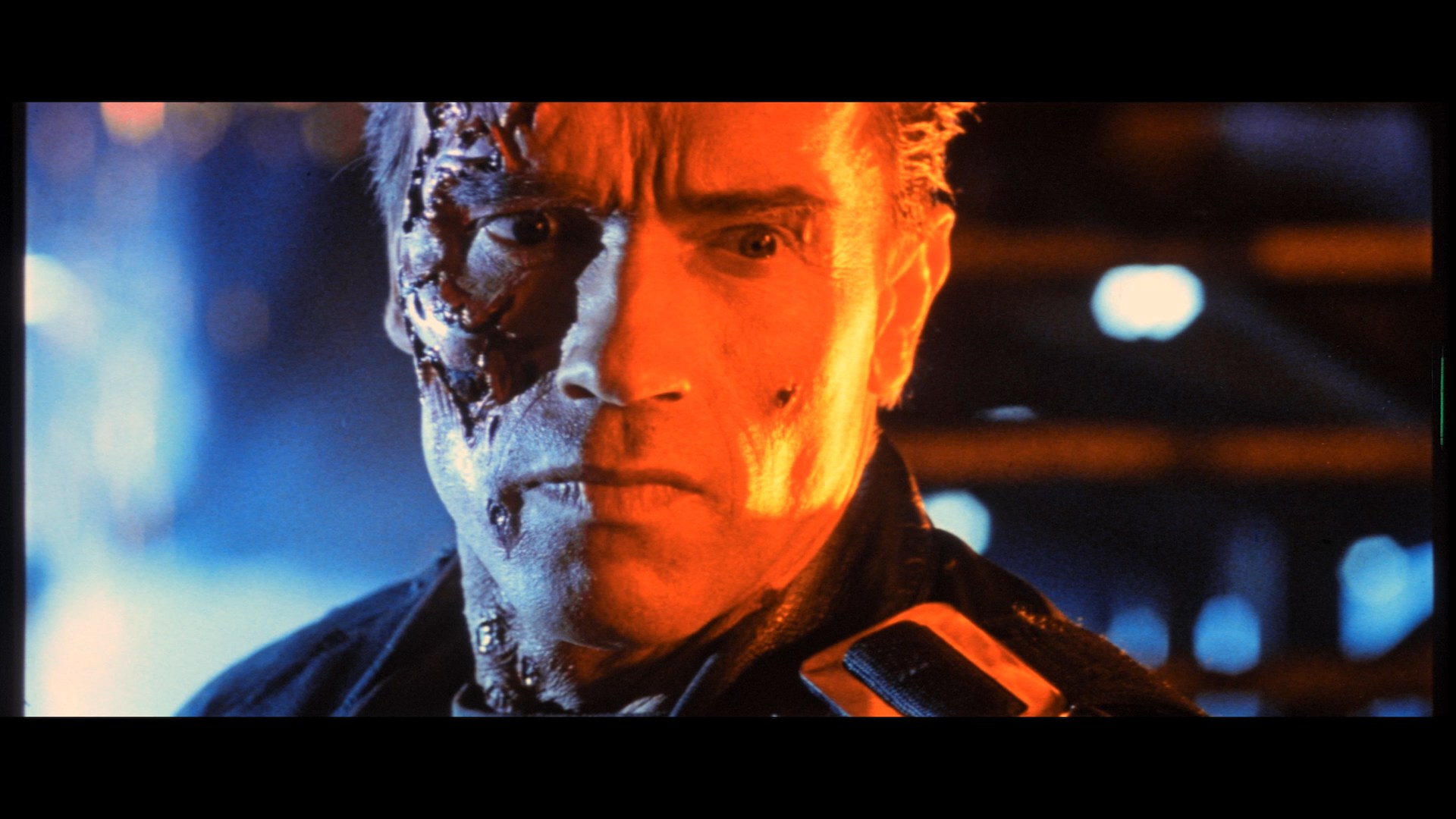
As part of a uni assessment this year, I am keeping a logbook of some media I aim to explore over the year. Beside some outliers, all are new to me. Here’s my setlist so far.
In this image I marked ‘Pirates of Silicon Valley’ as my third writeup but have since decided to do it on a game instead, since this one would already focus on a film.
Games are marked with controllers, viewed media checked, and revisits with an arrow.
- Croc is a game I had as a kid, but never finished/progressed in, one of my ongoing uni gamedev projects is inspired by it, so I wanted to discover it again it from an analytical lens.
- I grew up watching through Stargate: SG-1 with my parents from a rental store, but haven’t seen the film since rewatching the series last year. The series retcons many details so I want to revisit the original universe’s vision.
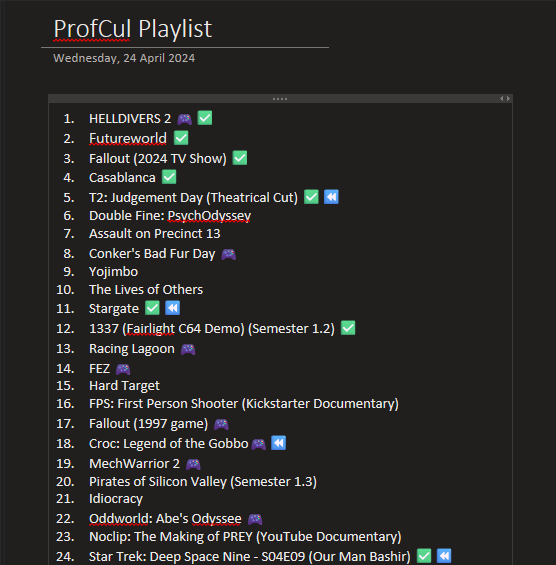
- I discovered a 35mm transfer of Terminator 2 released online. Having never seen the theatrical cut before, I wanted to see how it compared against the extended cut.
All that said, diving into Judgement Day…
T2 to me is a leading classic in action movies, delivering an explosive “Hollywood” experience without sacrificing in narrative (especially emotional) elements – and taking the viewer on an adventure with substance that wraps up with a satisfying conclusion, each protagonist growing on the journey.
I wanted to revisit this film’s theatrical cut after coming across a digitized scan of the 35mm print circulating online. Having only seen the extended DVD version in my dad’s movie collection as a kid, I was curious not only if it held up to my memory (it did), but if it held any analytical points of interest.
For the sake of this writeup, I’ll be referring to our hero machine as Bob, due to a gag where he is referred to as “Uncle Bob” later in the film.
While I won’t be focusing on all overarching version differences, it was neat to finally see the theatrical cut, coming in at about 17 minutes shorter than my previous viewings. I always enjoy editions of media with additional footage but I feel that this initial public version has much tighter pacing and is the definitive watch, save for a discussion of two scene changes, one which significantly alters the narrative with implications for the wider series:
Shortly after Bob and John escape the institution with Sarah – a scene features John asking if Terminators can adapt or extend their knowledge.
- In the shorter cut, Bob replies they have a neural learning system, naturally adopting behavior patterns as they directly spend more time near humans.
- The extended scene further explains that the learning function is disabled when the machines are sent on missions as solo deployments.
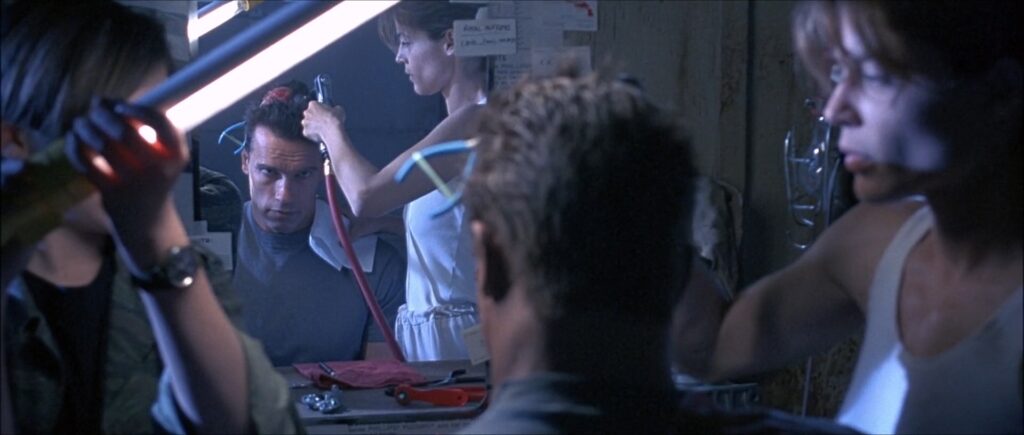
(This extended scene isn’t in the 35mm print so I took a frame screenshot from the Bluray release)
The full-length version further demonstrates the characteristics of Sarah and John’s characters – Bob walks them through a gnarly special effects scene incising through his external skin to reprogram the chip, before Sarah and John have a conflict, she aims to destroy it out of a distrust, against John’s frustration for an unwillingness to consider his suggestions despite being pronounced as a future leader. The scene was always intended to help establish a “power transition” as described by James Cameron in a DVD commentary, but due to the film’s long length it was pulled solely for time reasons to fit theatric film expectations of that era. It also acts as a first true showcase of John’s approach of leadership and considering options and advantages besides brute force, a quality sustained in successive media featuring John.
From this point onward, we see our hero T-800 slowly start to incorporate or imitate human mannerisms, starting out with catchphrases, (in the extended cut) facial emotions and humor. Over the continued length of the film, he moves away from a brand level frown…
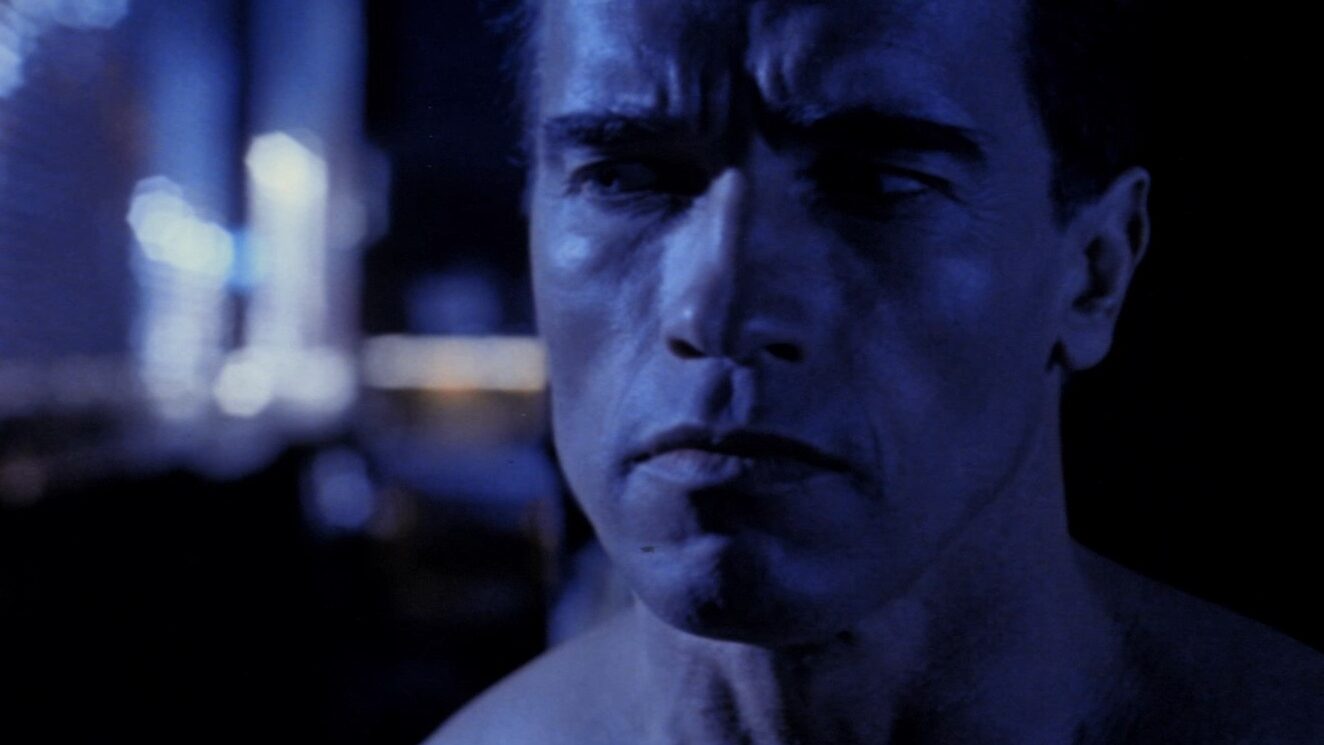
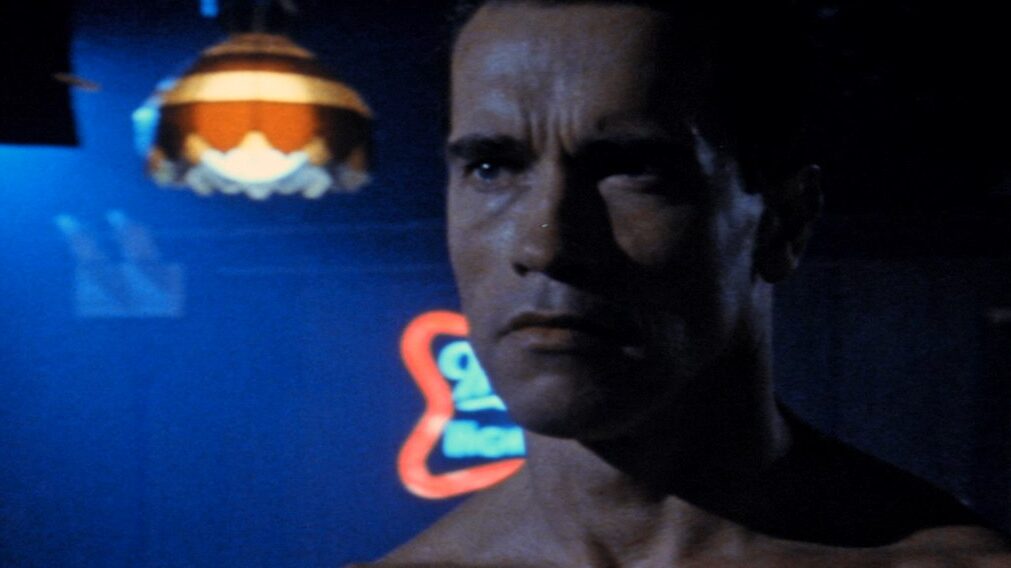
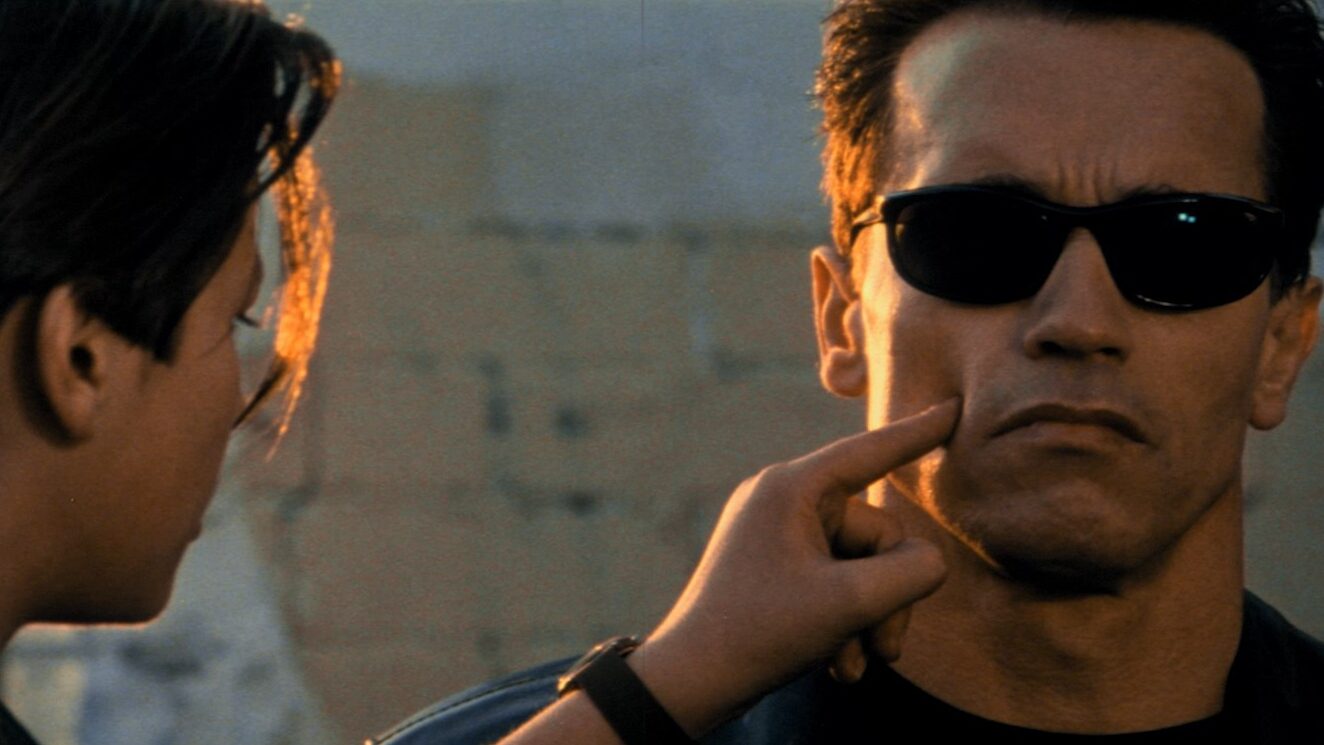
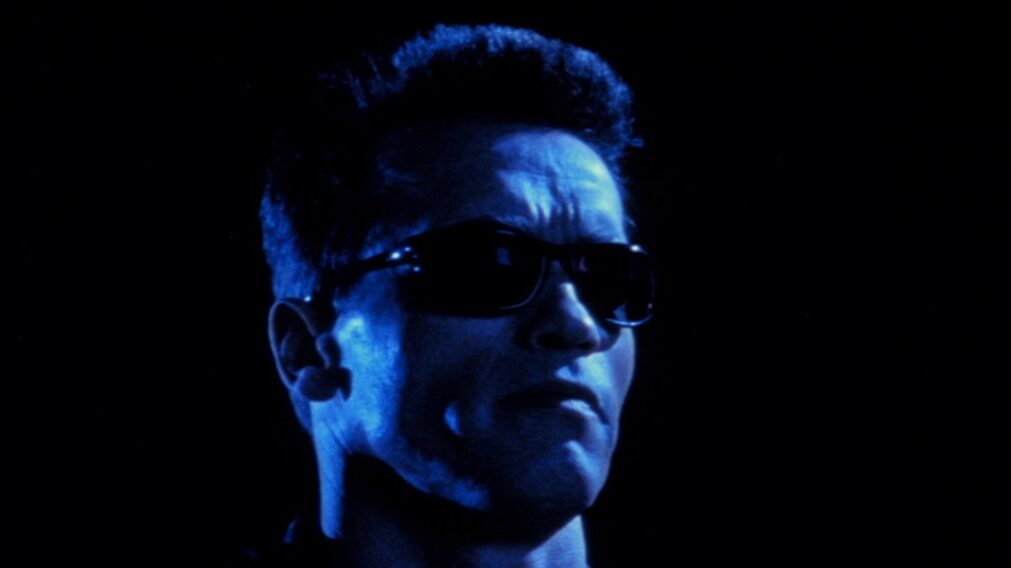
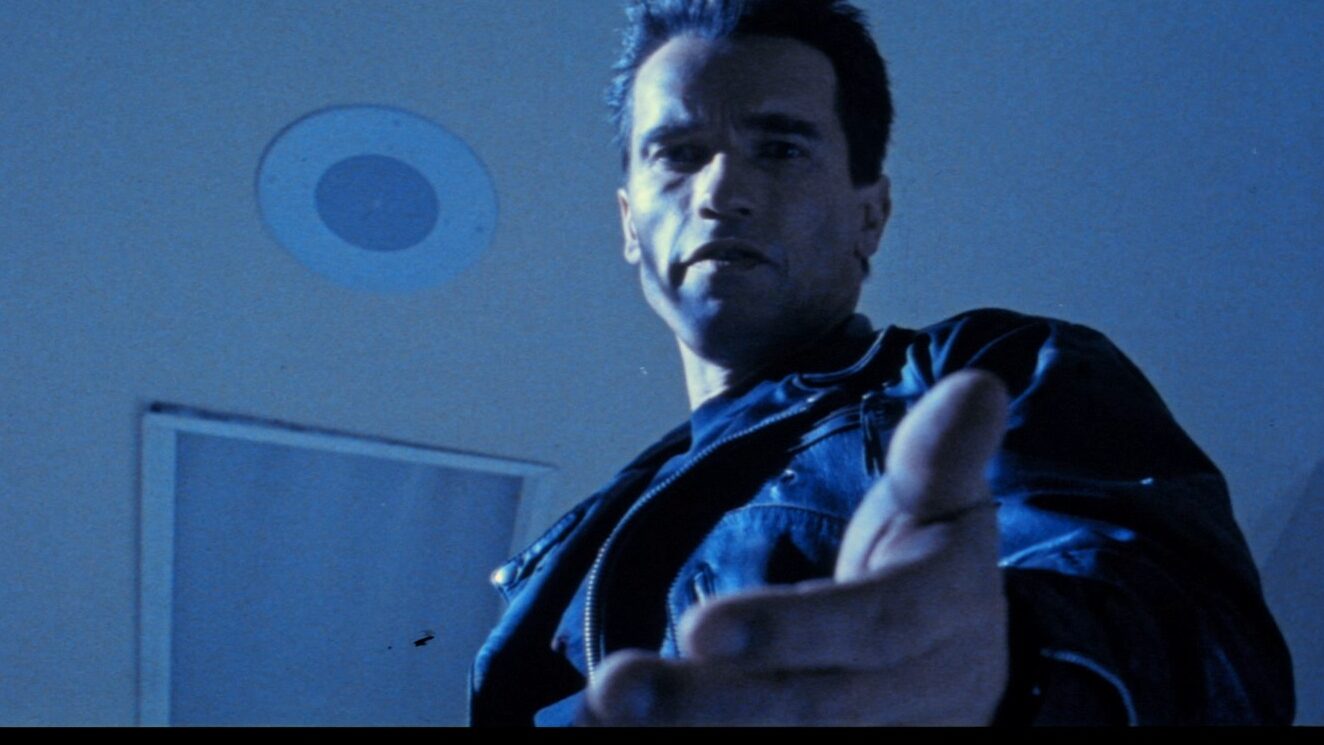
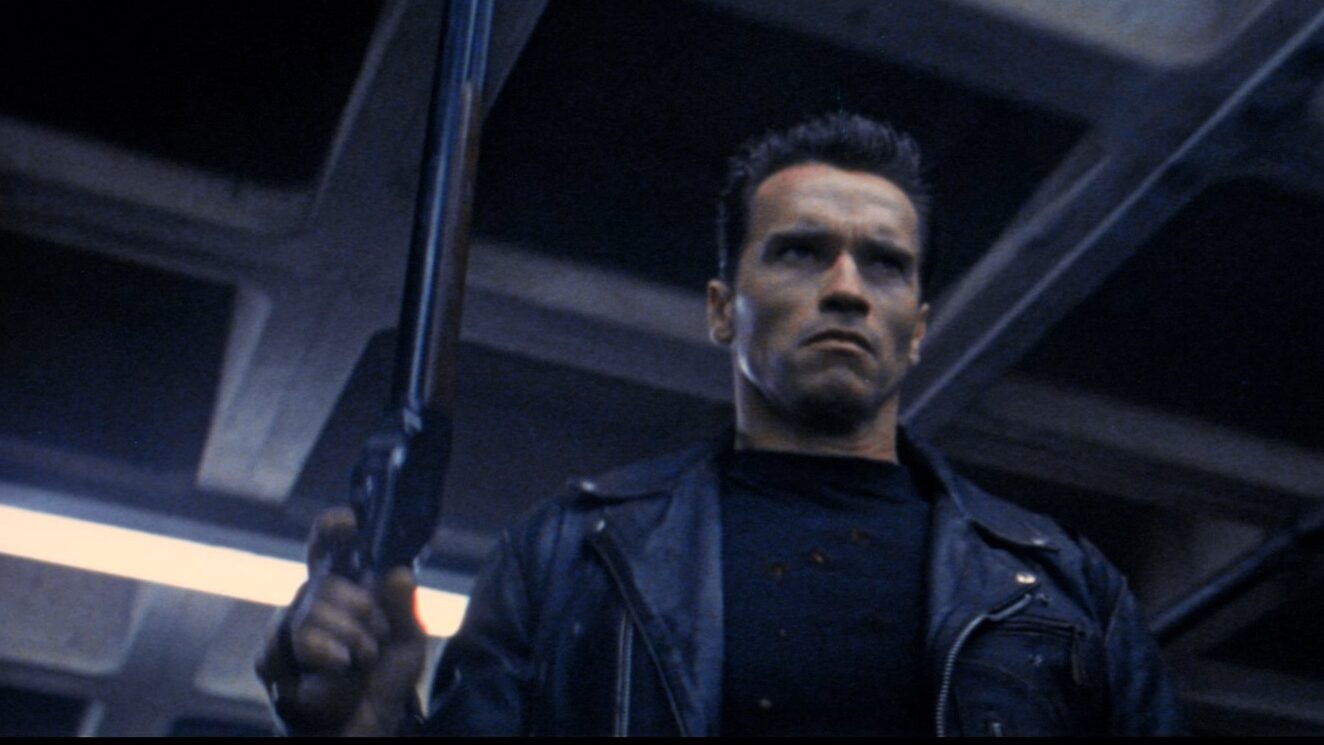
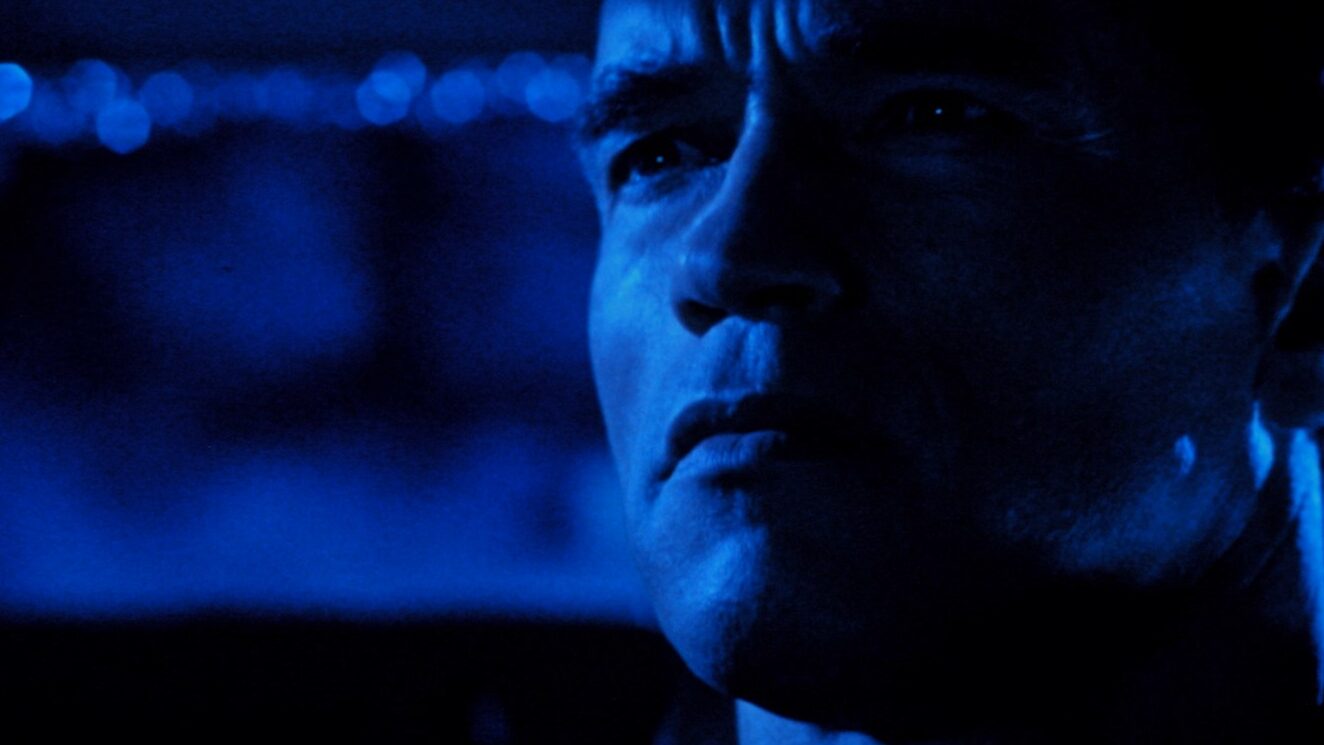
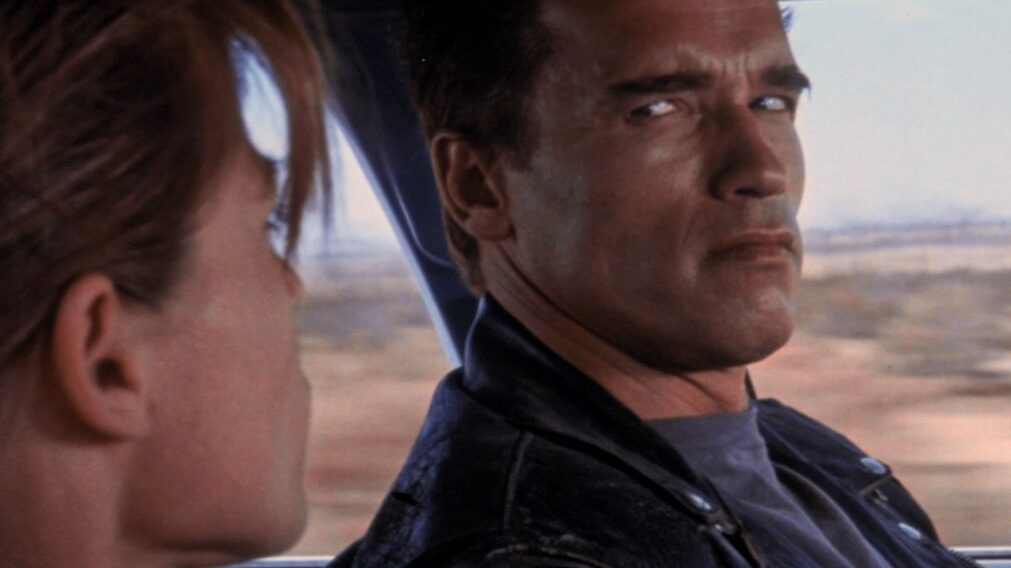
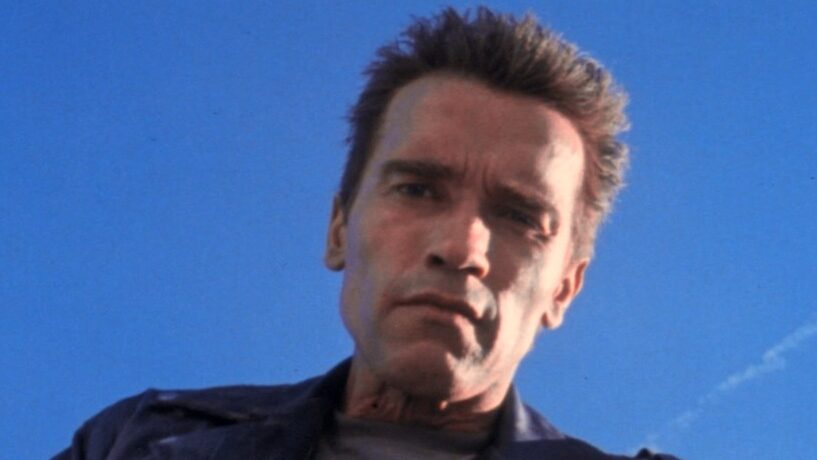
…into developing emotive responses to events around his peripheral.
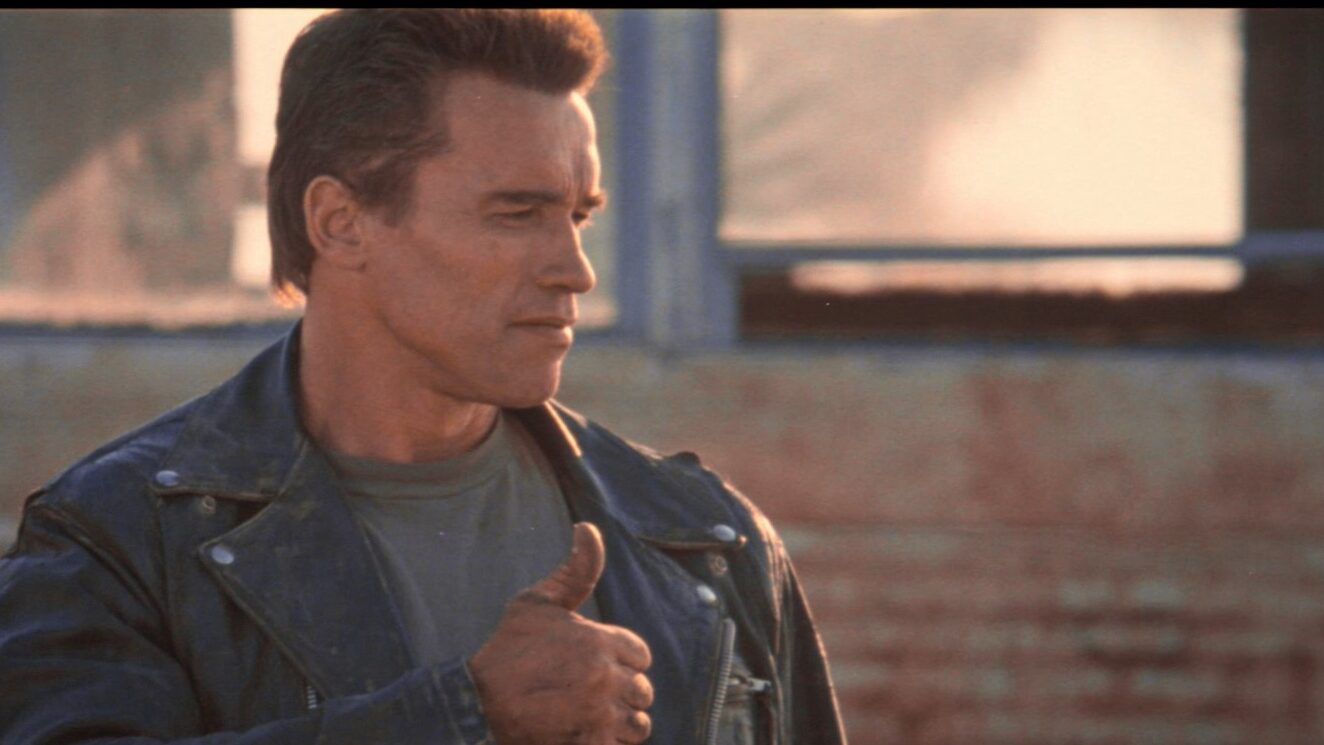
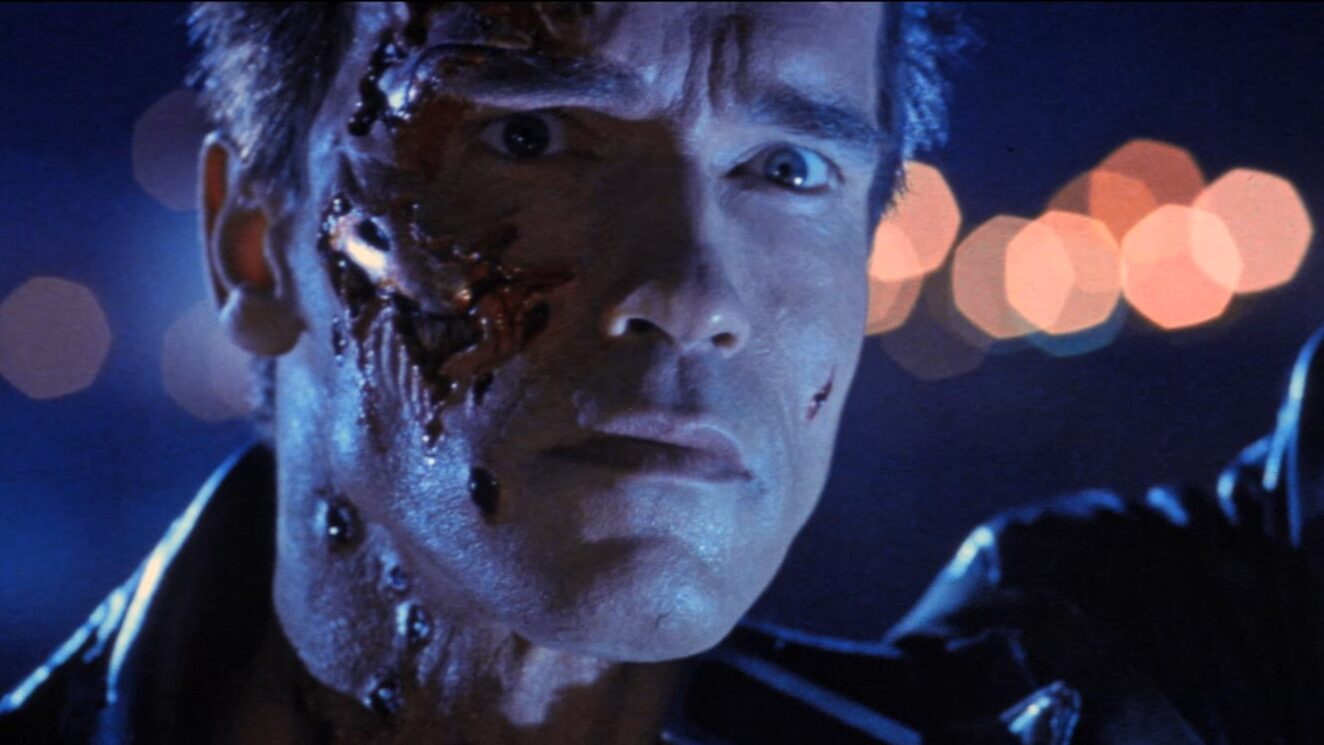
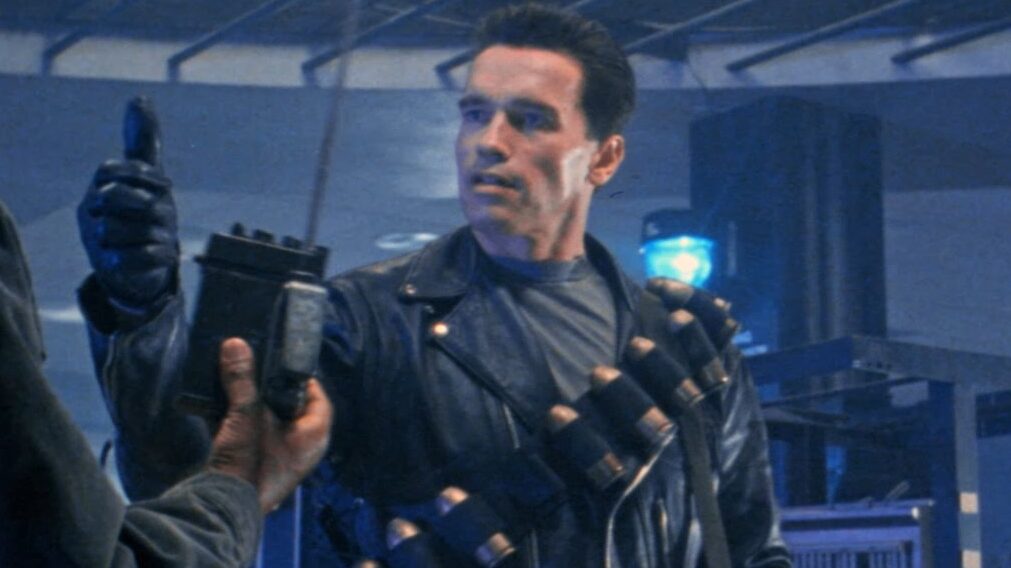
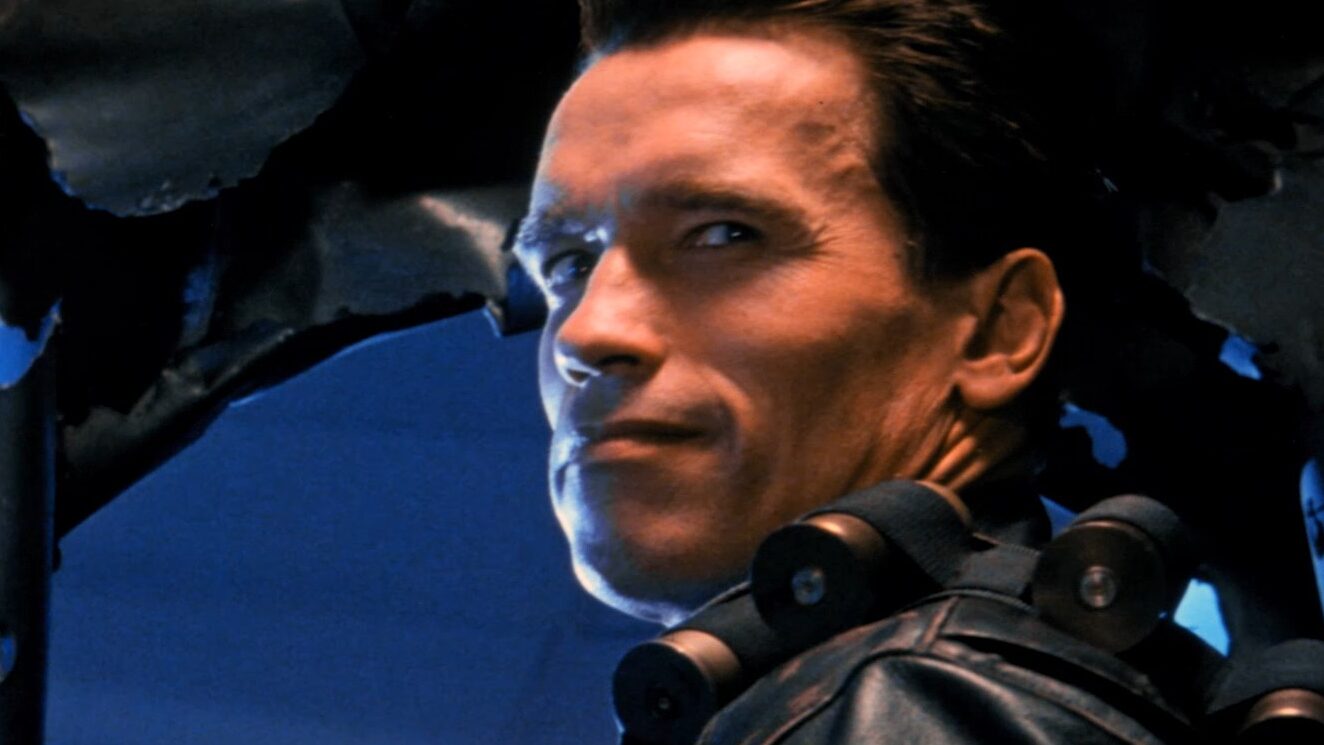
By the ending confrontation, we see Bob really move beyond pure stoic expressions, and the manor in which he urges John to keep retreating from the ever-advancing T-1000 almost feels like a modicum of fear. While I couldn’t find any specific elaboration of this (evolution through emotion) on behind-the-scenes footage or extended interviews with Cameron and Schwarzenegger, the visual effect of Bob developing the capacity for more dynamic emotion sets up a perfect vessel to portray a machine beginning to adopt at least a very good impression of, if not genuine behavioral conditions much in any form that people learn and imitate patterns in societal nurture.
In a series very obviously focused on the contrast between humans, humanity and the machines, this is a great doorway into reflecting on the argument of consciousness and identity, emotion and what determines real from “real” responses. Earlier in the film, Bob notes that he can sense data from injuries that could be substituted for a pain response, though it’s never covered in detail how he interprets this, and if he does actively feel it in a painful way or simply understands that damage exists there without the issue of pain being great enough to distract or prevent operation beyond sheer physical damage.
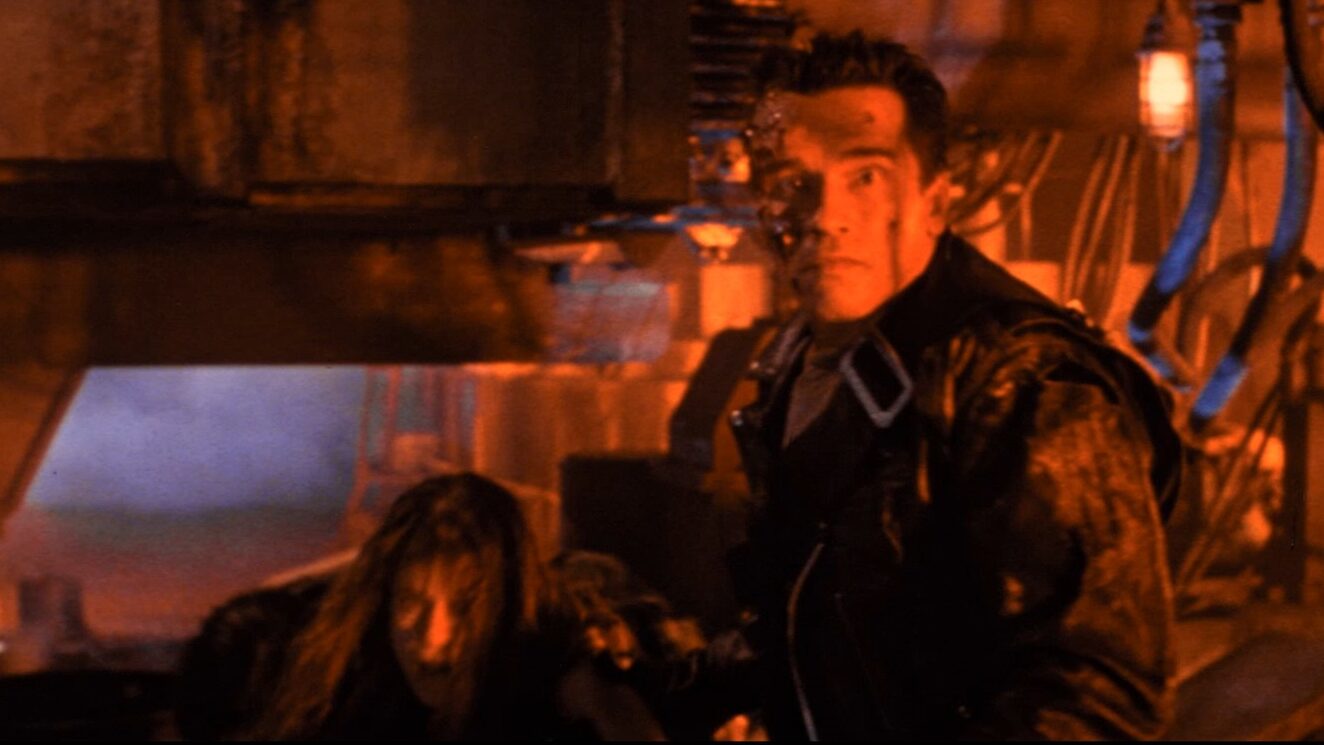
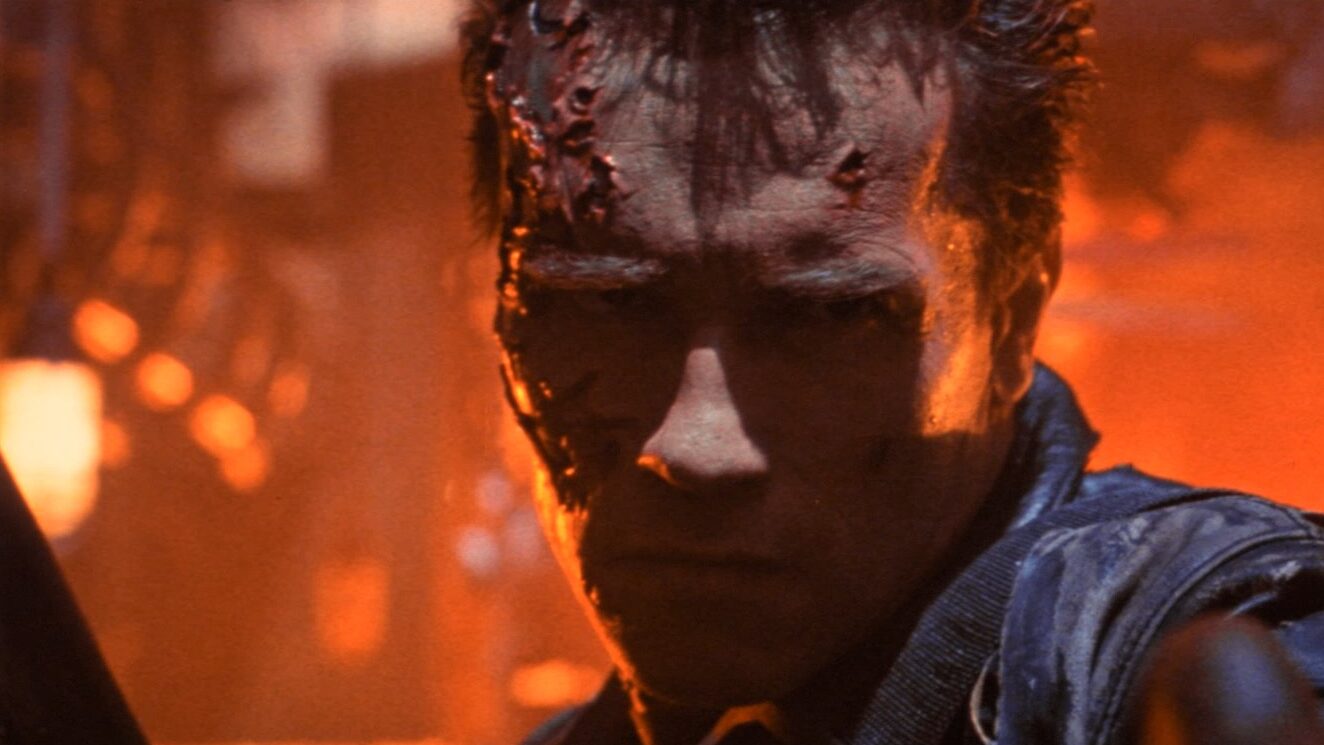
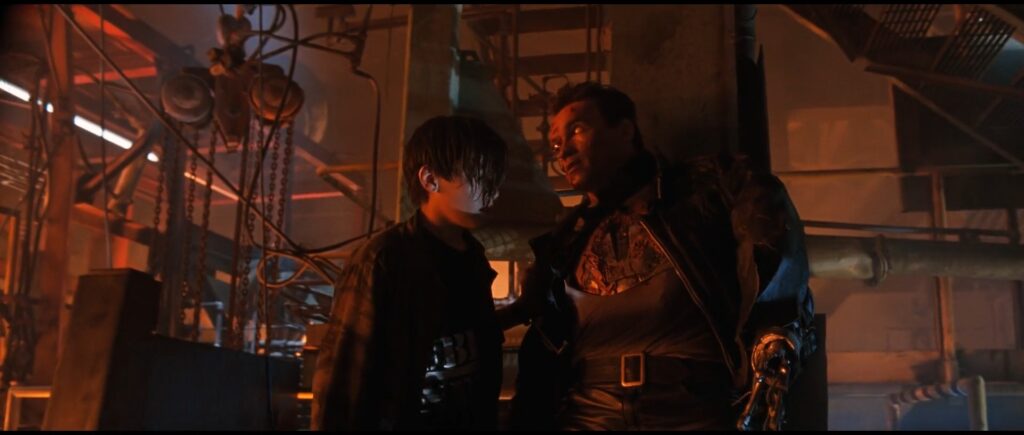
Where this has a larger effect on the series lies with the difference between the shorter and longer scene on neural learning, if all Terminators are set to read-only by default, it could be seen that the overarching Skynet faction (the AI entity that Terminator units act on behalf of) understand this could lead to the active conditioning of machines into unfavorable situations that could compromise their effectiveness as machines.
Generally every time-travelling unit we see take center focus in the films are sent back on solo missions, and thus would all be set to read-only. To flip this around however, the two most recent film entries – 2015’s Genisys and 2019’s Dark Fate explore other T-800 units that emotionally develop personalities or otherwise grow in their own ways. It’s never really suggested in those films that a similar “read only” setup still exists and thus it’s not clear whether this rule still holds, the likelihood of a similar chip removal process taking place would seem unlikely and it’s probably safe to consider the scene’s repercussions were disregarded for wider affect in the overarching series.
In the context of this film specifically though, the switch scene’s existence enhances the journey of the characters, strengthening the development of Bob’s bond to the other characters as Sarah goes from complete wariness and distrust to starting to question herself if machines and humans are really that different on a philosophical level, given that the machines are provided with the conditions to learn and adapt from nurture in the same way we do.
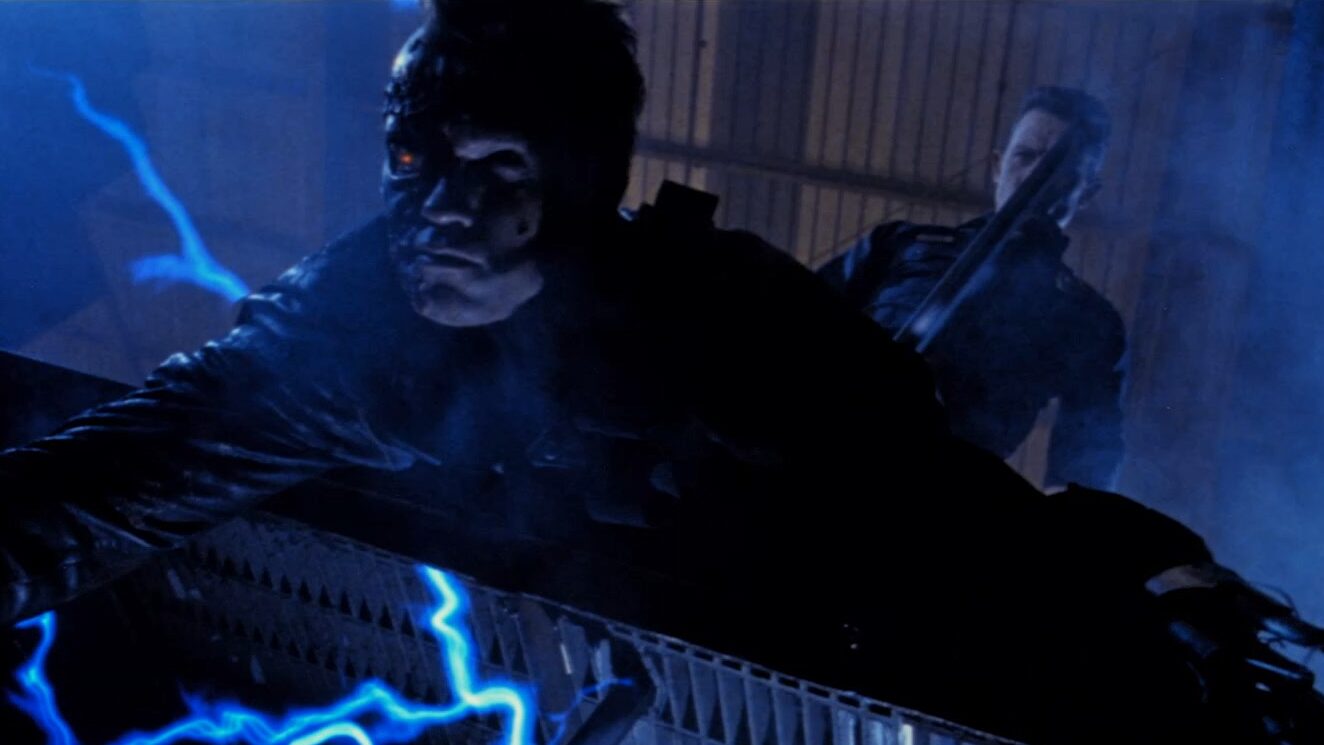
Earlier I mentioned a second point of difference between cuts, allusions to the T-1000 malfunctioning or glitching out after the “freeze-and-shatter”. The theatrical cut omits additional footage, ultimately making the T-1000 feel more threatening and unstoppable as a pure hunter-killer.
The first film worked as a sci-fi take on the “slasher” film genre, much like how the antagonist T-800 is depicted in the first film and addressed by resistance fighter Kyle Reese, this presentation serves to reinforce the idea that the machines are truly an unmatched force, not stoppable so much as only avoidable – and a severely uneven fight against one or even several general humans. Even Bob comes away significantly scathed in conflicts, or only prevails through evasion and obstruction to the point that he cannot immediately be pursued any further by the T-1000.
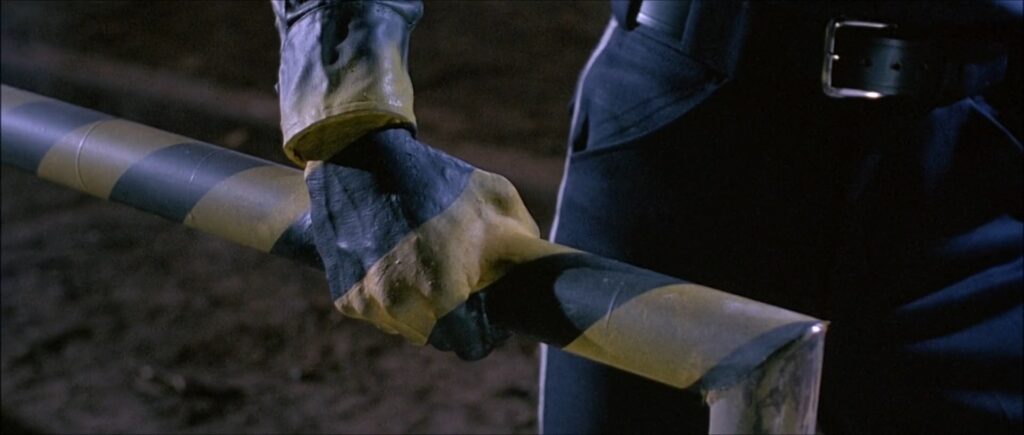
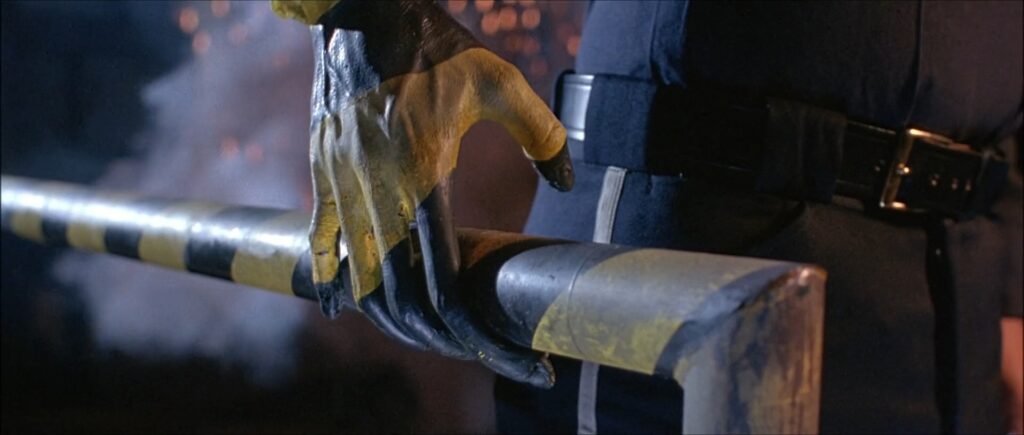
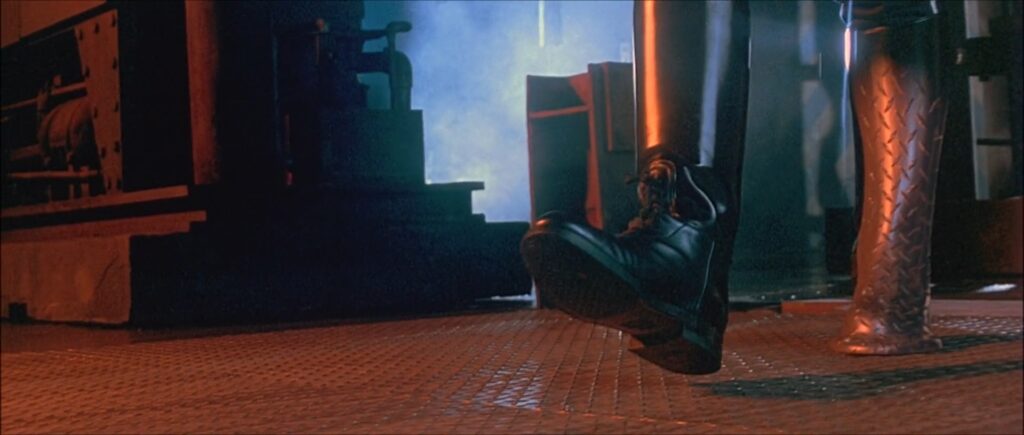
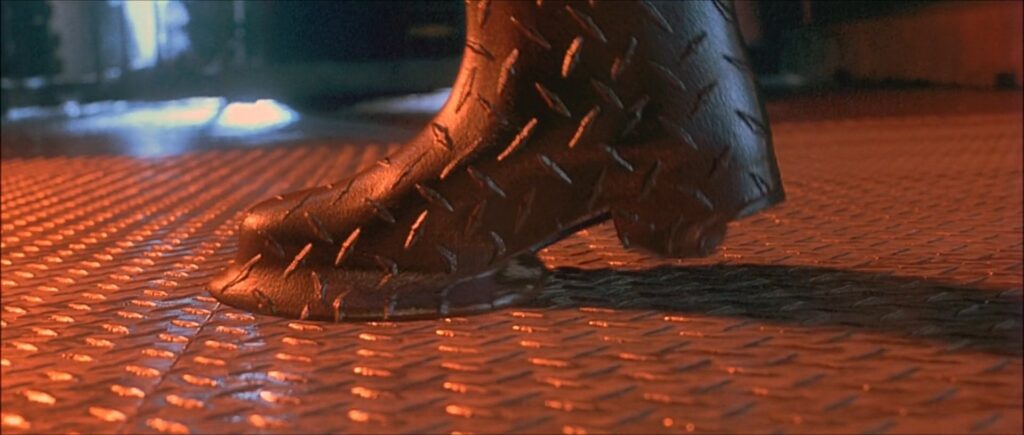
The additional scenes change this perspective entirely, with a vulnerability that formed from the previous nitric encounter – there suddenly is a way to stop the Terminator in some eventual form with continuous applied offence.
This also leads to a run on narrative change when John encounters both Sarah and an imitation of her – the extended footage pans to faux-Sarah’s malfunctioning body fusing with the metal grated floor, a dead giveaway.
Slicing off the second half presents a viewpoint of identification through action, where John identifies his real mother through her behavior (though probably also the shotgun, in fairness) as opposed to looking incorrect.
Since most earlier scenes with Sarah portray her as far more of an actionable and alert warrior even in moments of injury, her altered mannerisms here are a contrast to this. We as the viewer witness her previous encounter with the T-1000, but John has no familiarity of this. While the malfunctioning section here is a fantastic looking visual effect, I feel it devalues an idea of machines never really being able to replace or perfectly imitate humans beyond the physical sense.
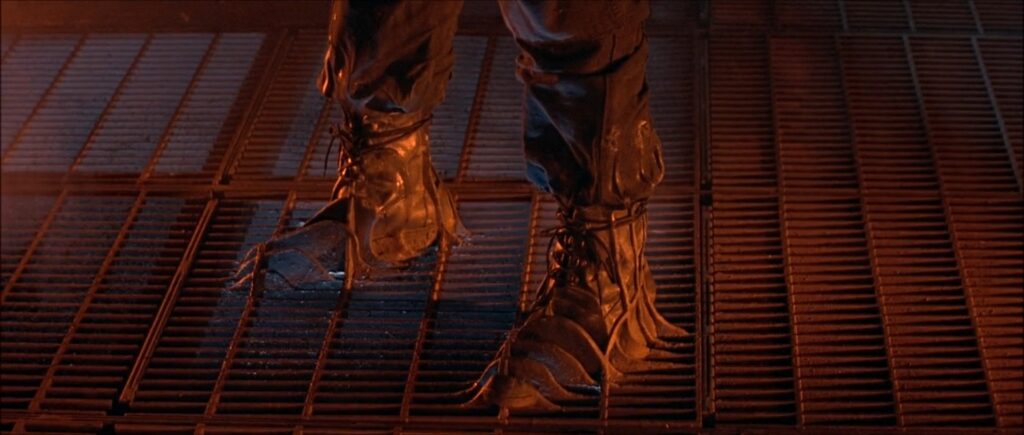
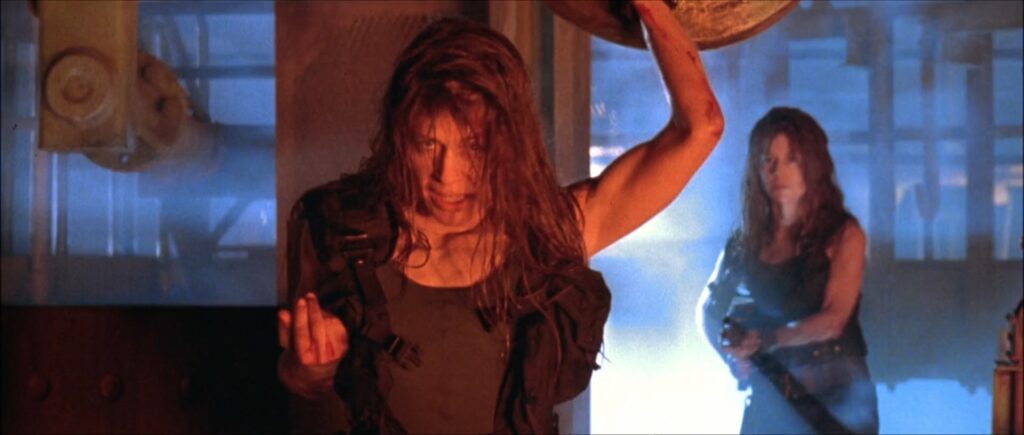
I think this contrasts well against the focus scene of the machines’ ability to learn, these two scene changes show two sides of affect, recontextualizing aspects of the scene narrative. It goes far in demonstrating how important intention and wider thought is to editing/cuts in the wider arc of a film, especially in how this plays into/against establishing rules that also affect the perception of later titles.
While unrelated to the main focus of this article, I did pick up on a neat detail I’d never noticed when watching before – the home of the Dyson family (and “creator” of the technology that would eventually take miniaturized form as the basis for the computer “brain” processor in each Terminator) hosts paintings around the walls, a few have a checkerboard floor that alludes back to a similar design that the T-1000 camouflages to when attempting to assassinate Sarah.

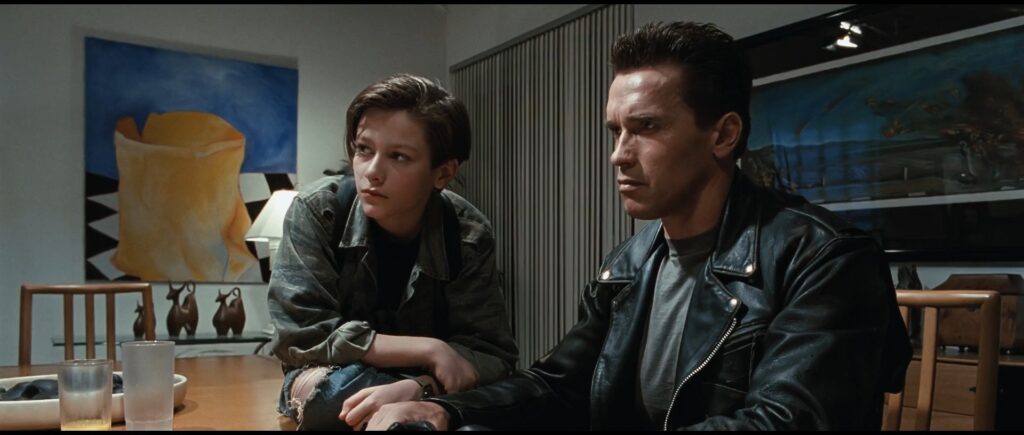
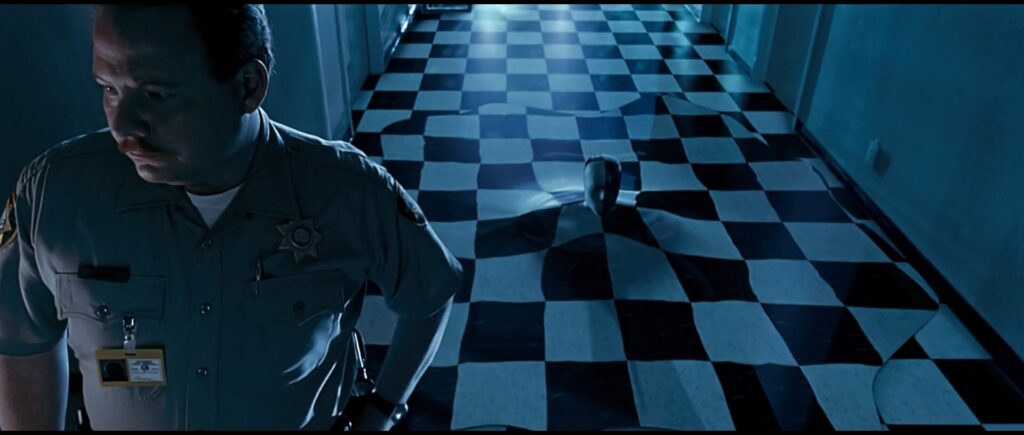
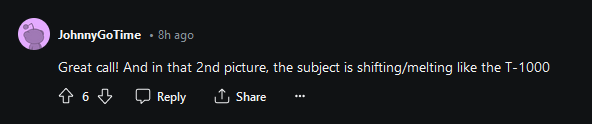
I went online exploring to see if I could find existing discussions noting this detail, and was surprised that I didn’t come across anything (I’ll admit I feel a little proud for noticing this), so shared this around on Reddit and with my friends. I didn’t even register it initially but a redditor noted that the candle in the second painting is also melting in a similar visual portrayal to the T-1000!

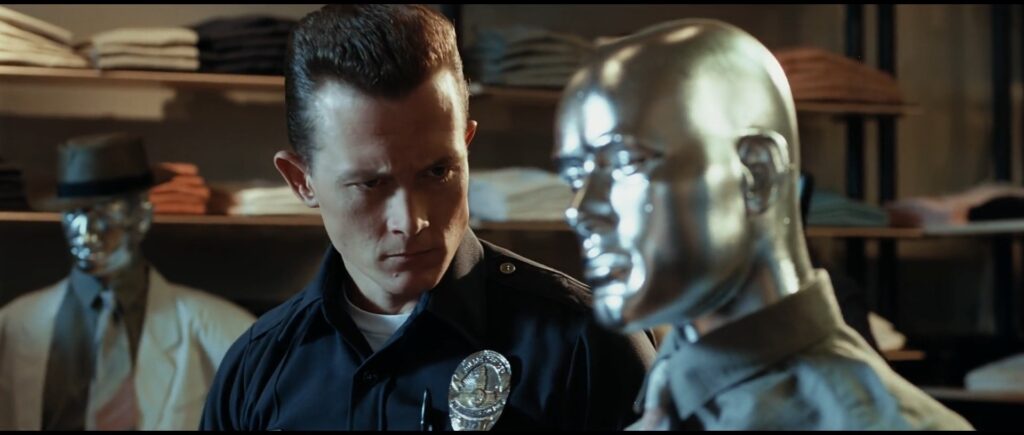
A friend also noted the mask next to the initial painting – I didn’t initially register it as silver but it ties well against an earlier scene where the T-1000 notices the shiny appearance of mannequins with an amusing curiosity.
Further Viewing
While building this writeup I sought through materials and conversations online to help corroborate an understanding of the topic. I couldn’t find public discussions noting the checkered paintings, although the topical scene is a popular subject of discussion. This thread on reddit features community engagement on the scene, with one commenter sharing a link to an existing journal article that also touches on the processor scene.
Additionally, this copy of the extended edition DVD commentary details further into the production process of the chip removal scene, including the effects work involved to create the shot. While it doesn’t accompany video footage directly in this video upload, I found it to an interesting listen where Cameron reinforces each scene’s relation to the narrative themes of T2.
1:09:03 onwards specifically discusses the topical scene of the chip removal.
Safe to say, this movie continued to amaze me with these extra details, and it remains a legendary recommendation for sci-fi enthusiasts.
I’ll be back for the next writeup, looking at something a little more retro!