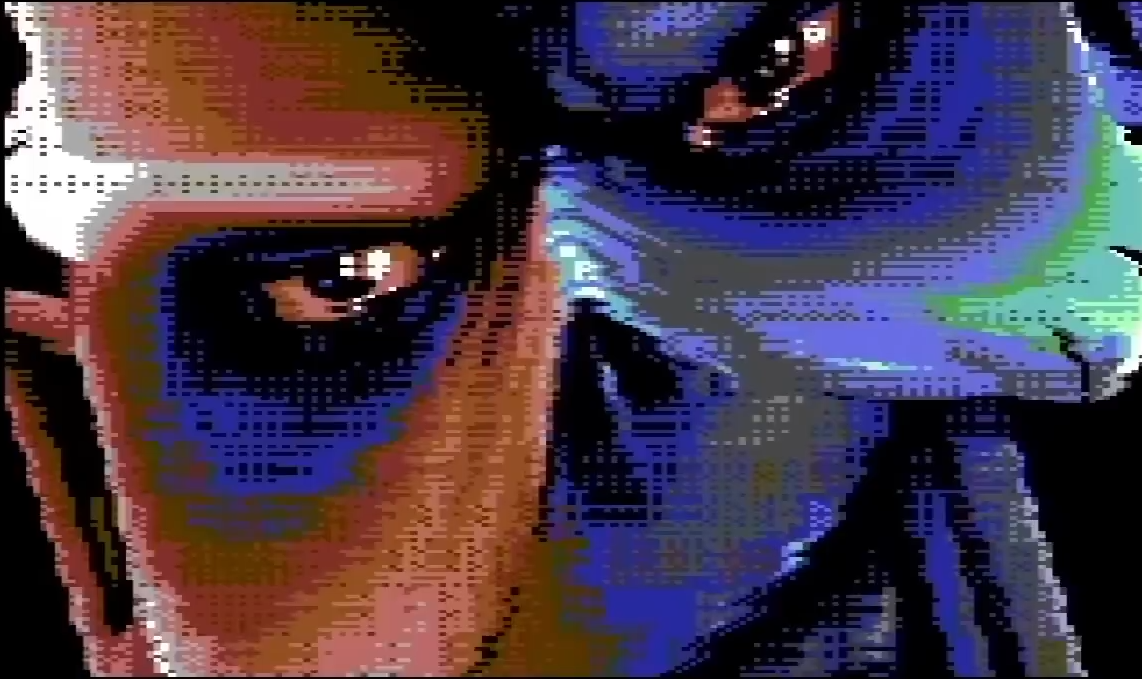
Putting a spin on the formula, I wanted to curveball the second writeup of my media journal with a form of media I found in particular interest, not quite a film or game, an animation with literally more going on behind the scenes.
13:37 is a demo program written specifically and competitively to showcase exploited capabilities of a Commodore 64 microcomputer from 1982, part of an art form pioneered by a community of computer enthusiasts and programmers that work to reach the ultimate capacities of the hardware, poking and exploring to see what unexplored trickery and coding magic is possible with technology in microcomputers going back as early as the 70’s.
Given my previous covering of an ultimate story about the classic “man vs. machine” motif, I thought it fitting to follow up with another exploration into those themes, a true showcase of bending and stretching the limits of electronic capabilities. Do we have what it takes to control the machines?
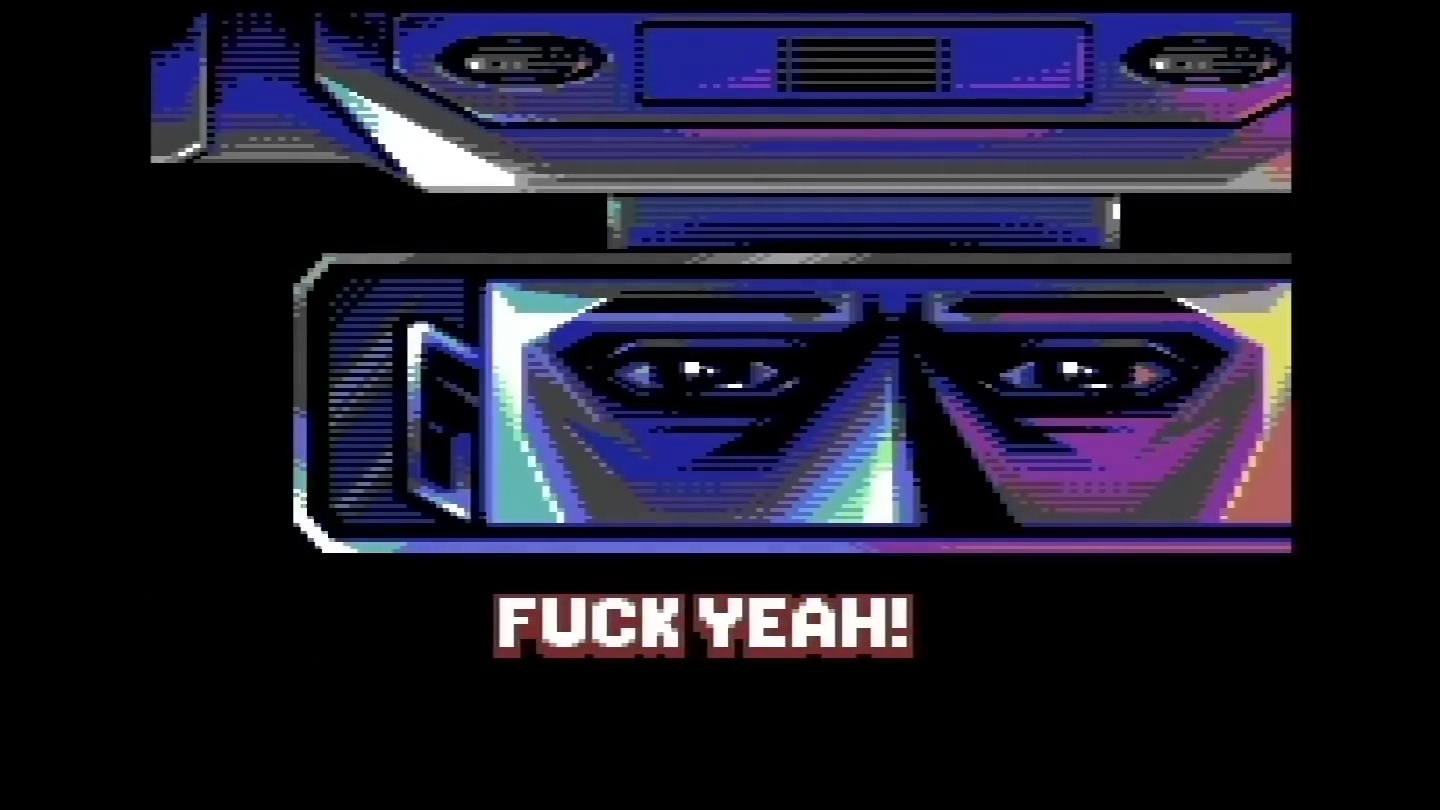
This program only debuted on May 11th, so is one week as I start writing this (I came across it on YouTube the following week, May 16th). Since it only comes in at around 15 minutes, I highly encourage watching the official upload below. Even better if you have some good headphones…
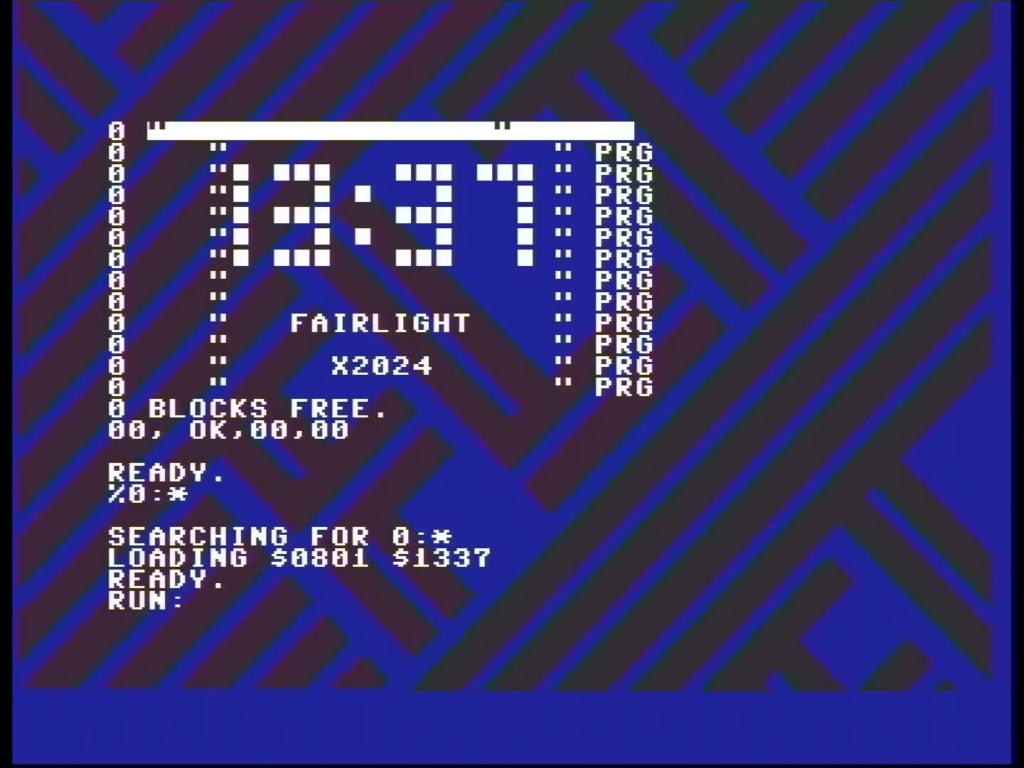
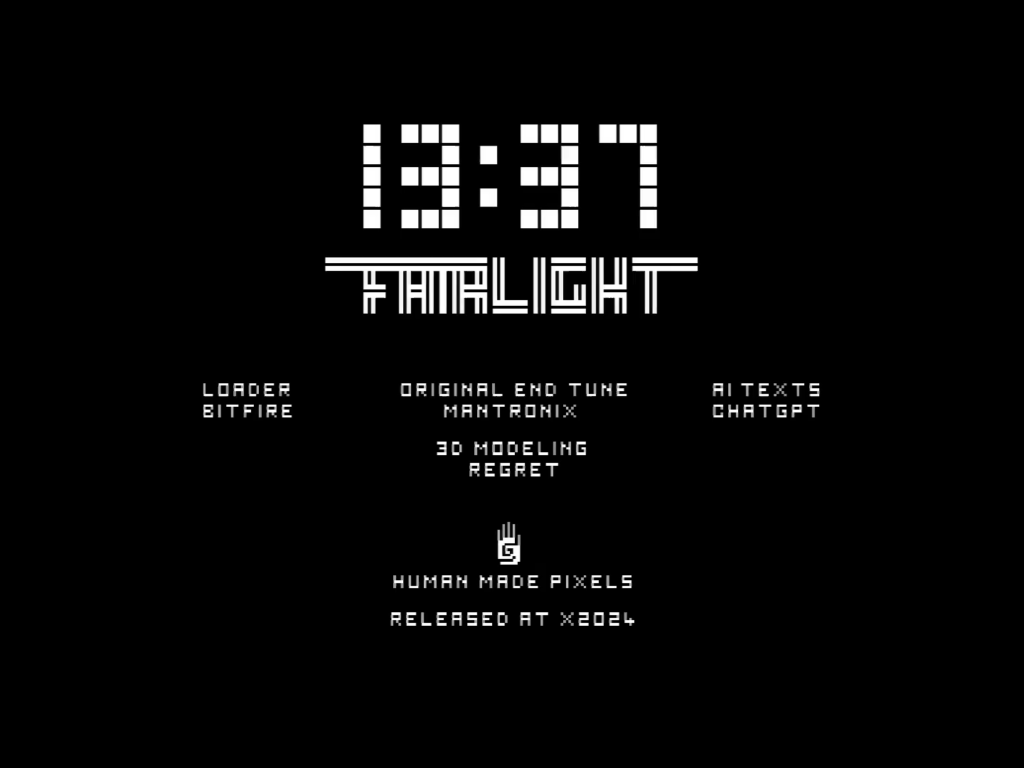
So we kick off with introductions and loading the demo.
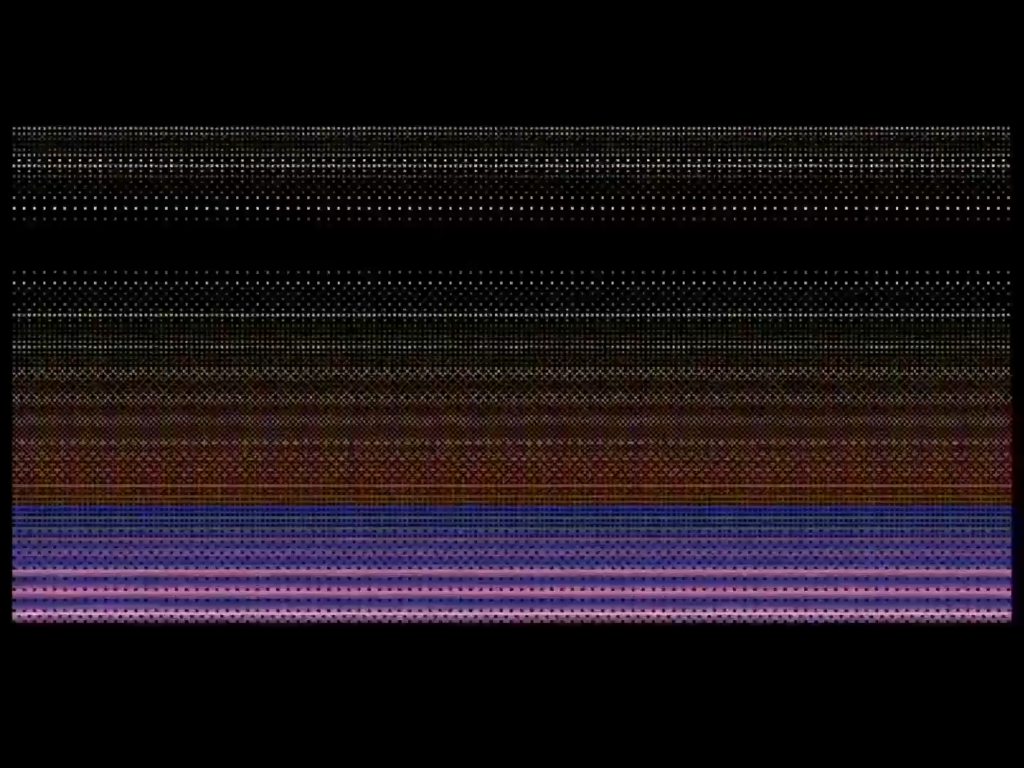
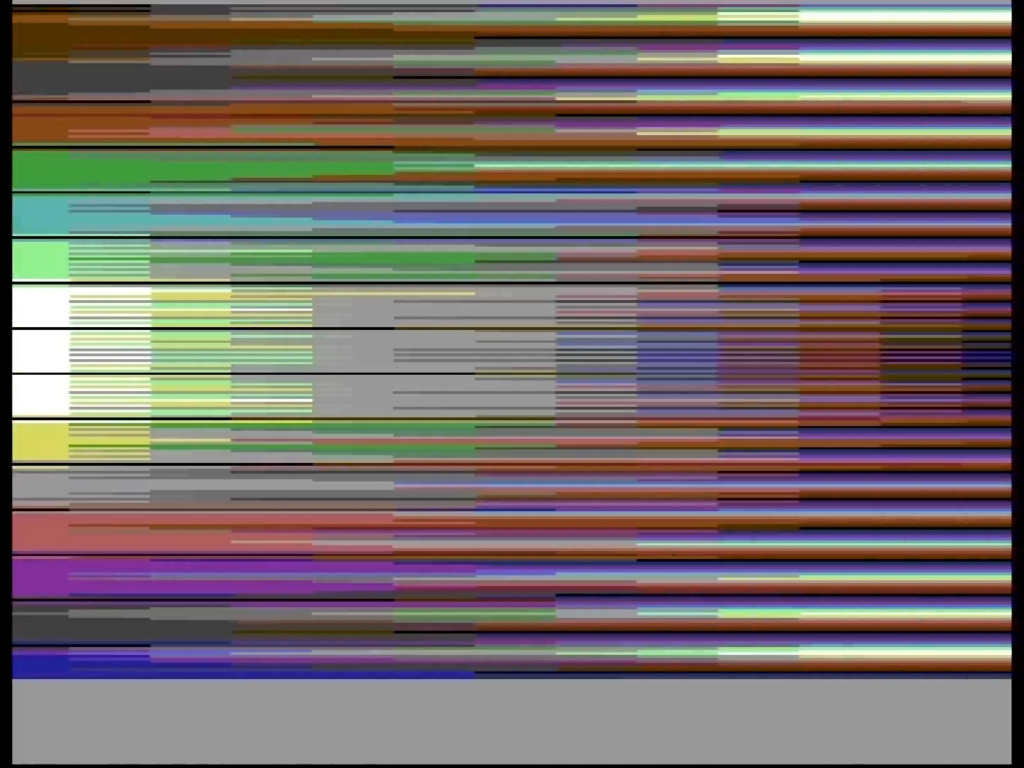
At this time, a program would need to be manually loaded via cassette tape or disk drive. Rather than immediately blanking out the screen though, memory write tricks are employed to “overwrite” the previous display with a fun pattern before the real opening. This technique of “raster interruption” allows the namesake, interrupting the previous video drawing commands to adjust the picture on the fly before a complete single screen frame has completed the output.
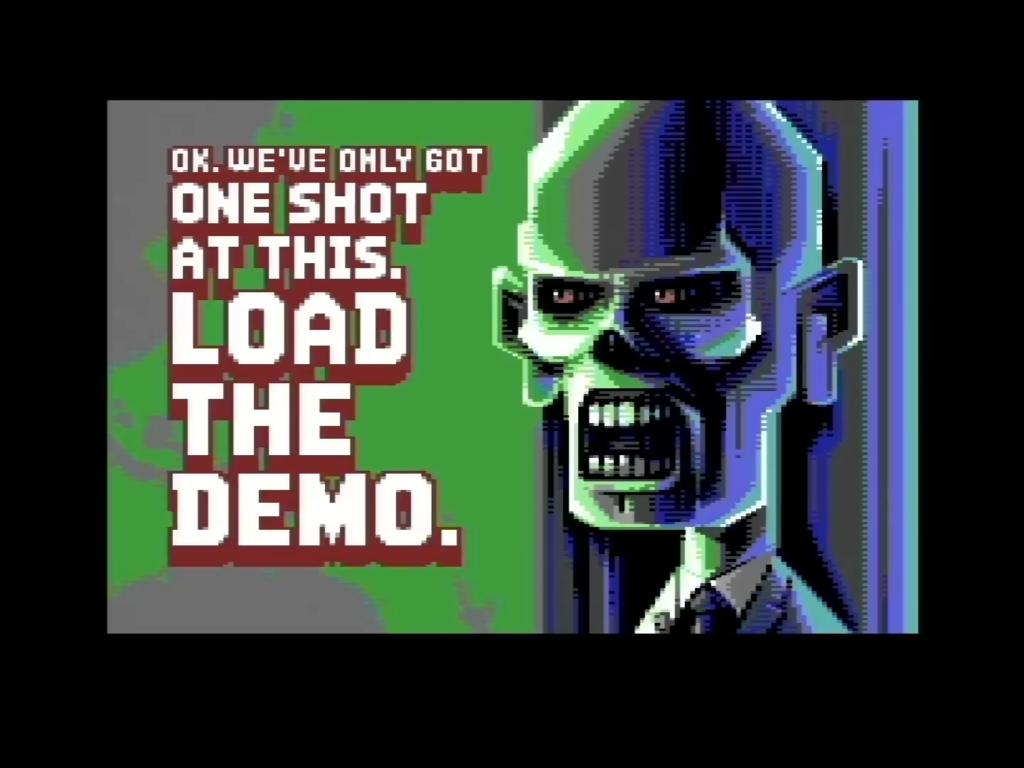
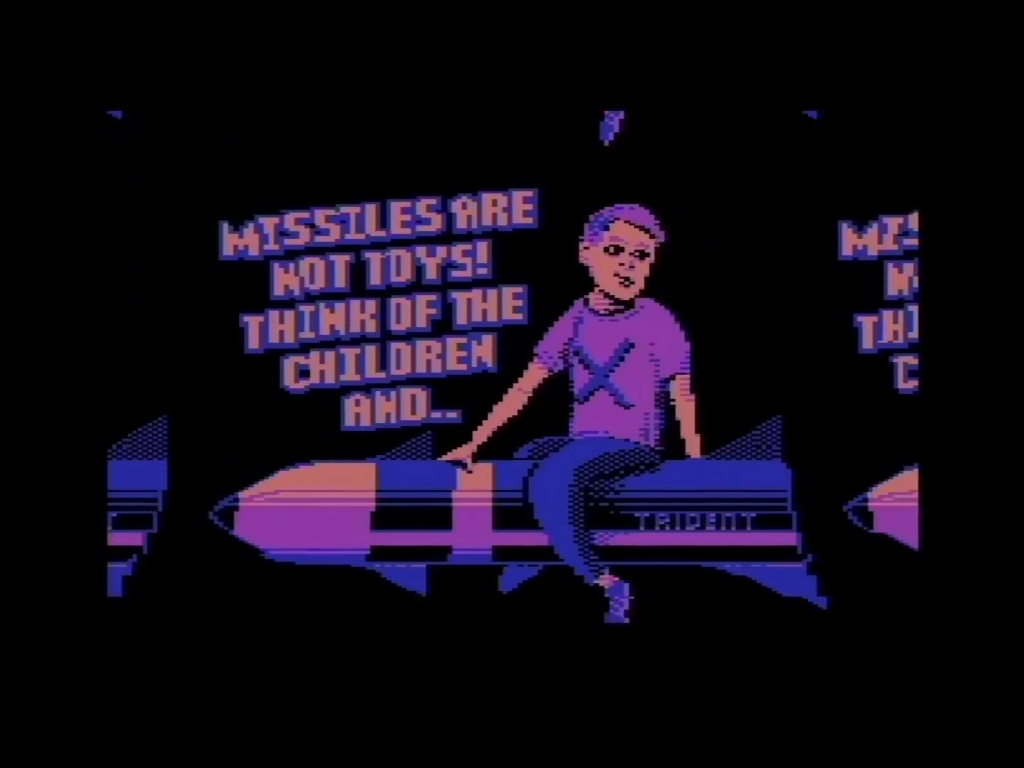
A genuine narrative sequence reveals this demo is a bit more beyond the surface level expectations – with the creators imbuing a thematic story and presentation that intertwines with the function of being a technical showcase. The music, visuals and text set a grim scene, a faceoff between a defending military body and AI threatening to nuke the world! The only hope to defeat the entity lies within our own (literal) application to technology.
They say to fight fire with fire…
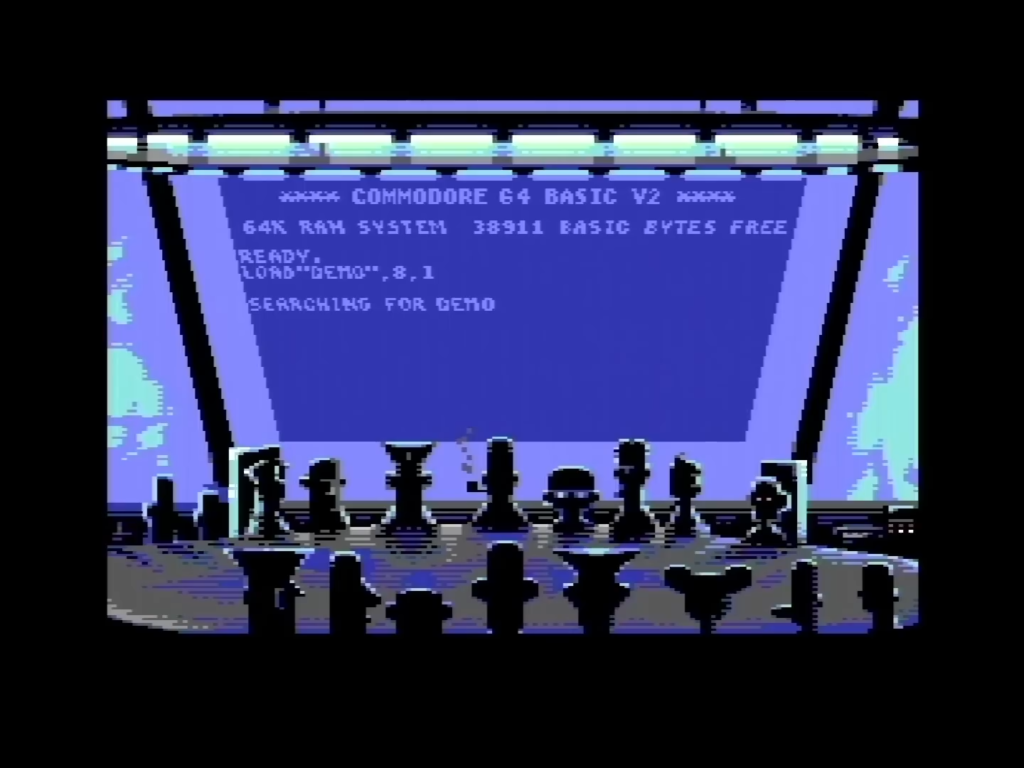
To amusing effect for audiences familiar with computers of the era, they reproduce the classic command prompt in raster graphics – an impressive feat given how this image is drawn with a sense of perspective. For reference, computers of this time operated in relatively low display resolutions due to limitations of processing power and memory bandwidth available at the time.
Traditionally computers could be set to run in a “text mode” – higher resolution to draw more characters at the compromise of colour and dense graphical detail – or a “graphic mode”, present the developer with more granularity to adjust the display on a per-pixel basis, but with much chunkier individual pixels resulting in less overall physical real estate. The standardized output is a resolution of 320×200, though many graphical applications adopt a smaller display mode of 160×200, halving the horizontal detail for additional colour control.
Developers over the history of the demoscene and general programmers over the lifespan of the hardware pioneered alternate advanced methods to create alternate display modes – one such method allowing to draw outside the “legal border” for a total composited resolution of 384×272.
This page on a C64 focused technical wiki details some of the official display modes, and links to a timeline page of demoscene efforts that have discovered new methods of display. This one also goes into further information in explaining how some of the additional video modes actually function.
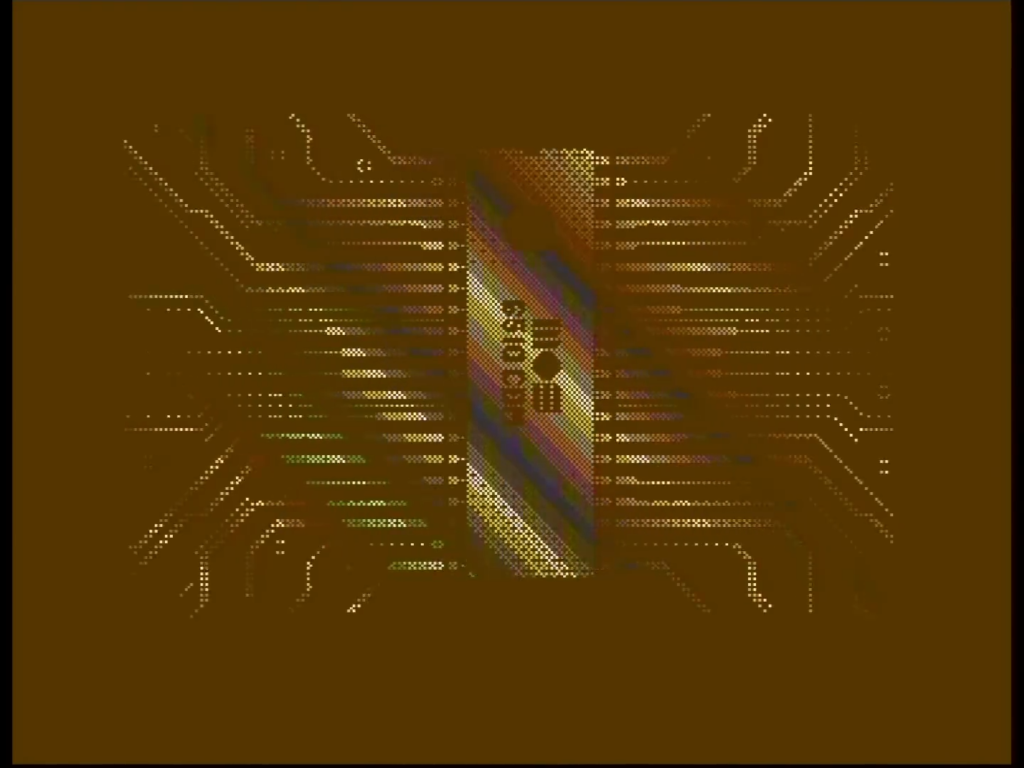
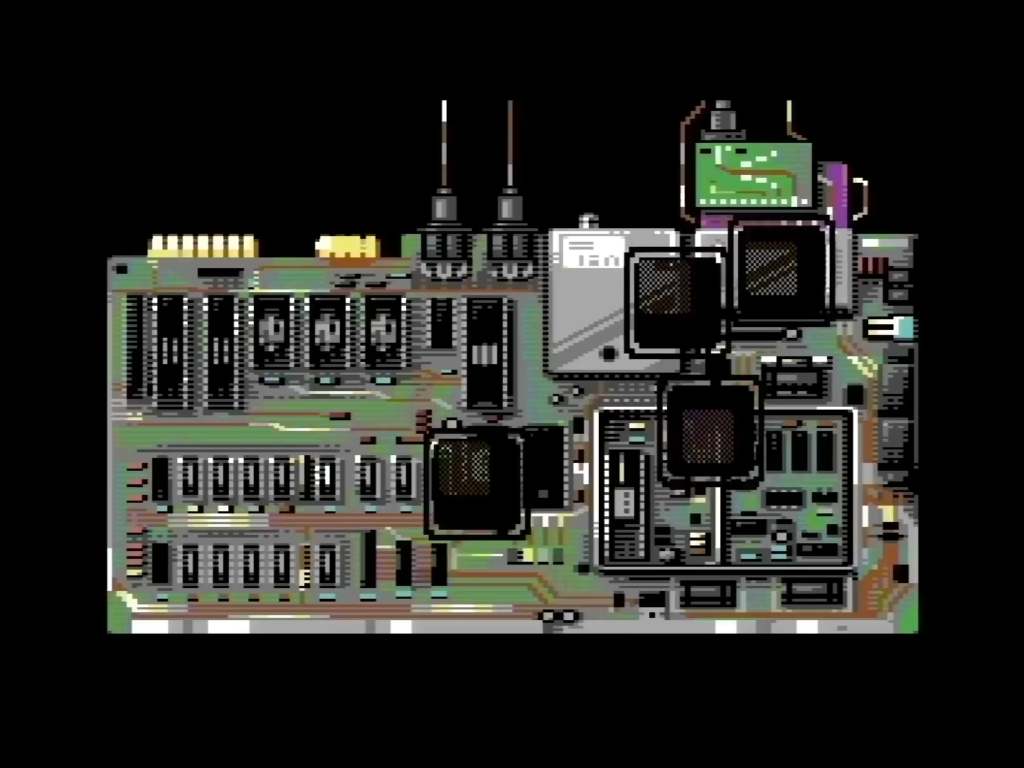
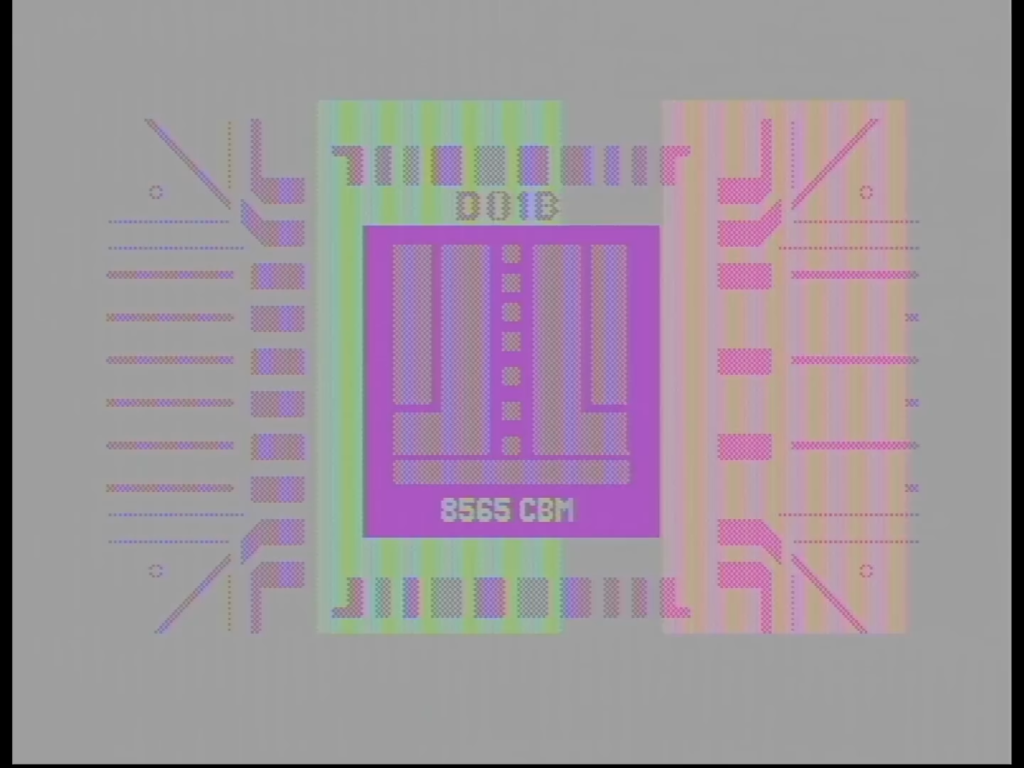
Impressive high-colour (for the hardware) scenes intersect simulated 3D graphics and magic tricks taking advantage of manipulating the screen with high-motion updates.
A neat common trick employed well through until the early 2000’s of computer graphics is a technique called “dithering”, an effect to simulate the perception of additional colour by overlaying different shading patterns on colours to help create the illusion of gradients and additional colour depth. When analog video signals were common, this was an effective trick because the quality bleed of the colour signal would cause the shading to “bloom out” and truly look like more colours than the signal actually carried.
Below are screenshots of 1999’s Silent Hill running on an emulator, the first screenshot has the signature PS1 dithering effect, the second replaces the dithering with a “true colour” renderer, so the dithering is no longer needed, and the third larger screenshot simulates a CRT display effect, demonstrating the picture bleed phenomenon.
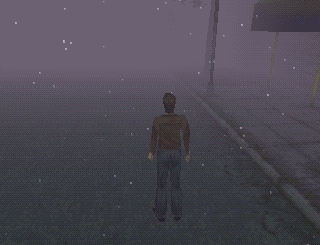
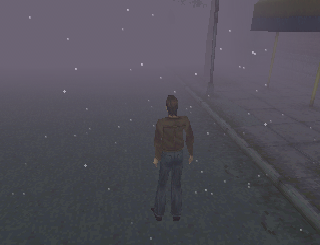
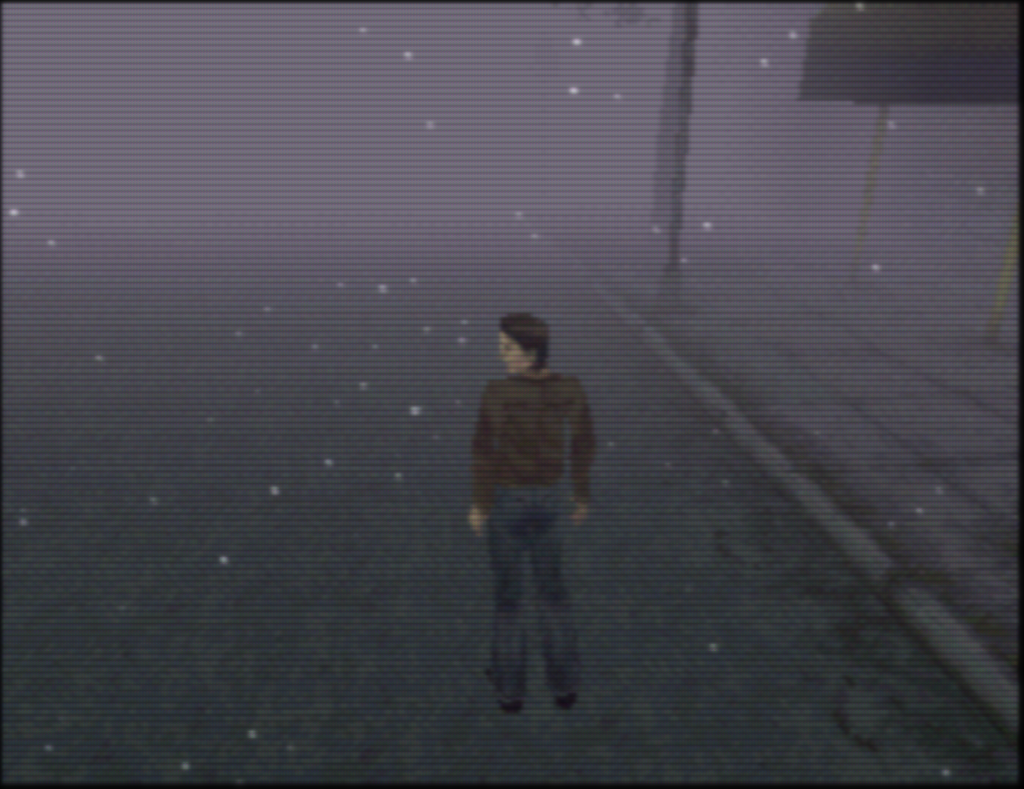
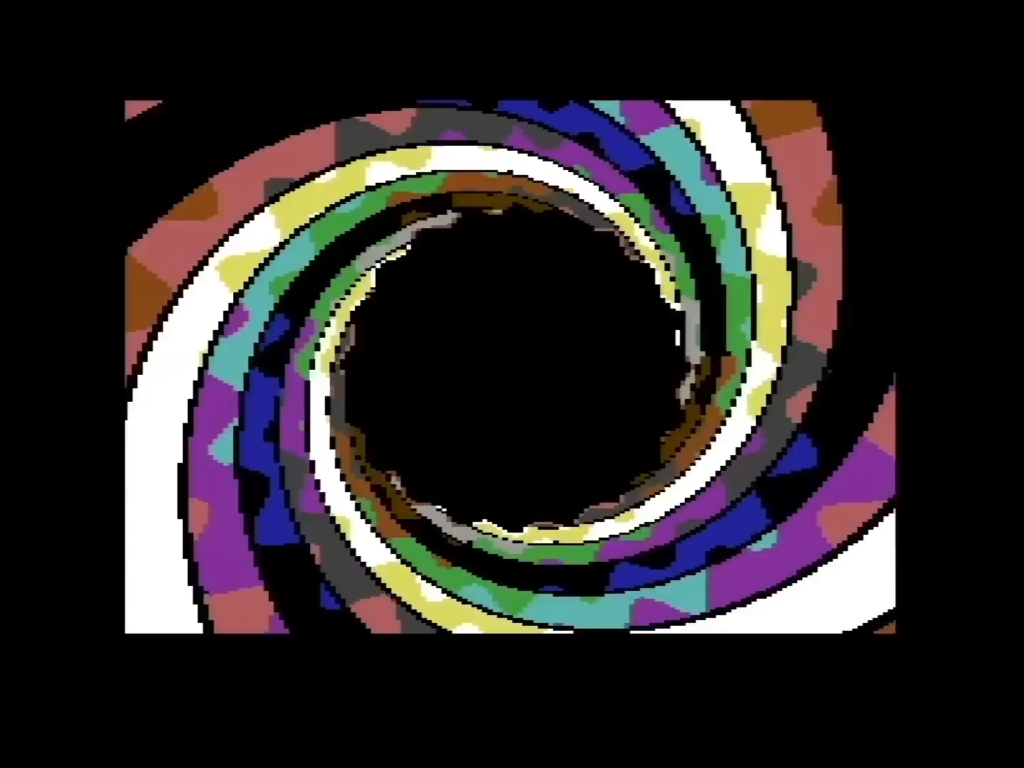
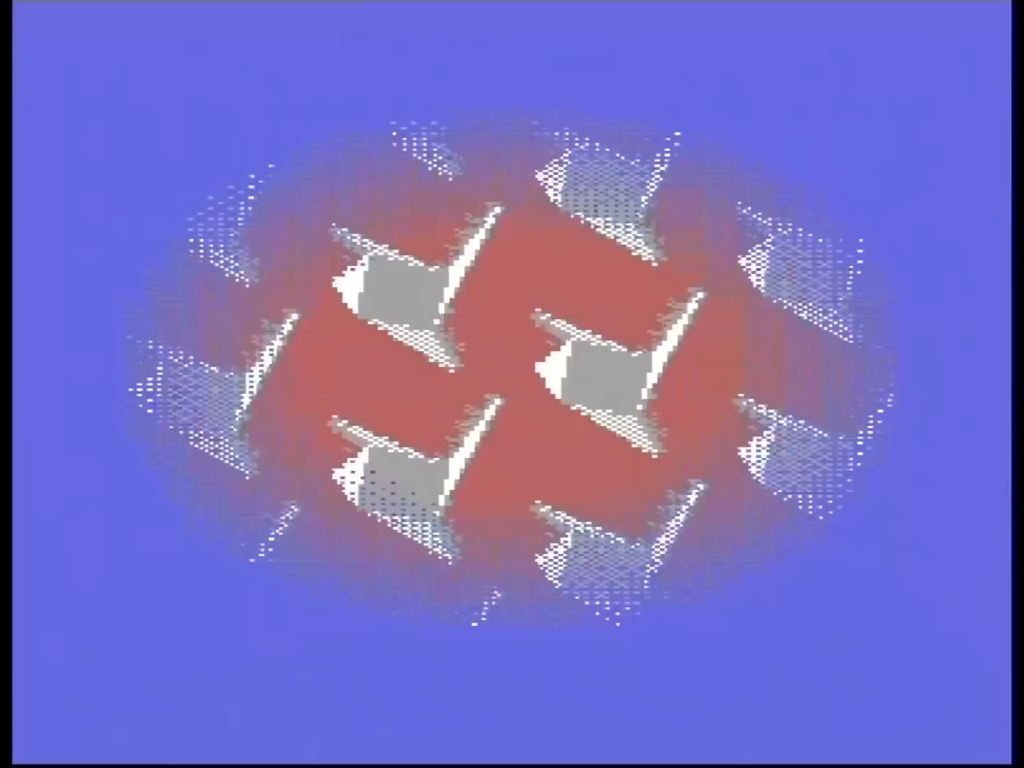
The signature look for microcomputers and notably the original PlayStation, SEGA Saturn and Nintendo 64 is a crosshatching pattern, on full display here, and combined with the high motion this makes for a pretty engaging visual experience emanating from a ~42 year old machine. More story development comes into play with graphics showcases featuring text and imagery of this world’s war. A particular shot features a representation of 3D doves or paper cranes, which I thought was really cool.
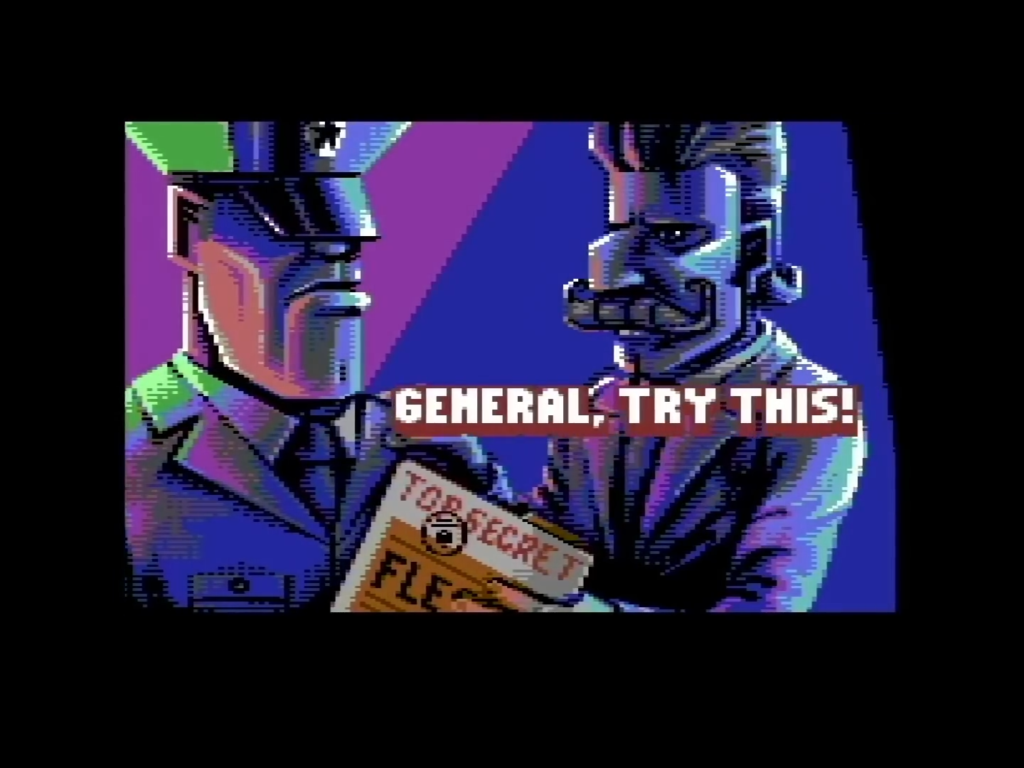
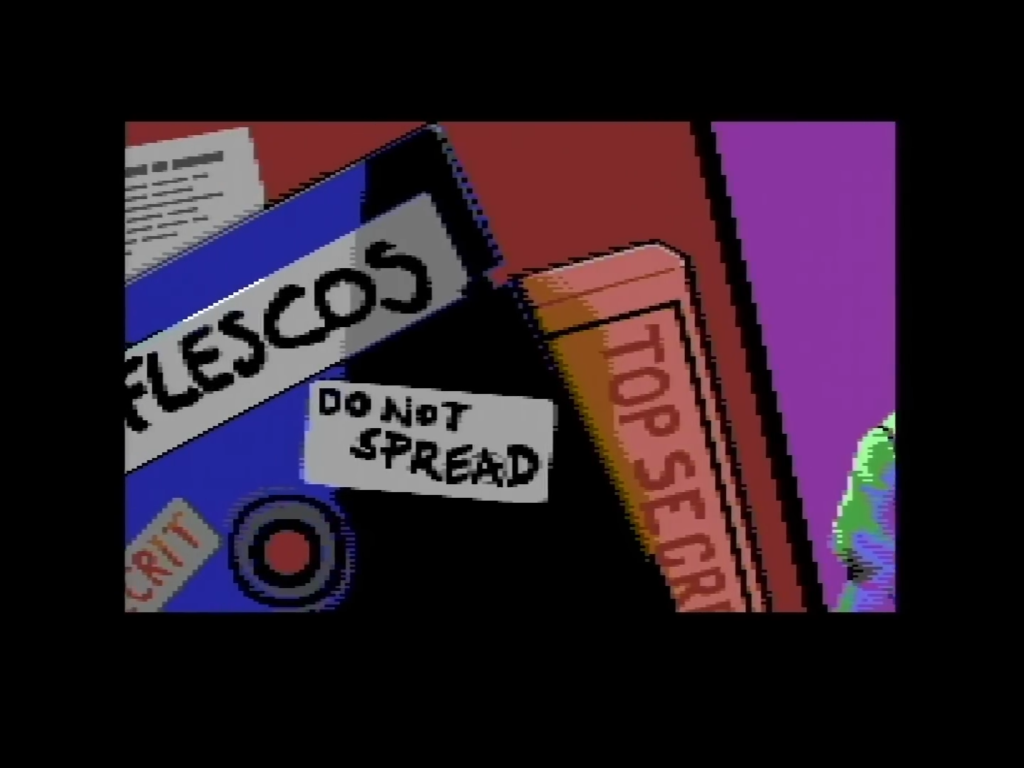
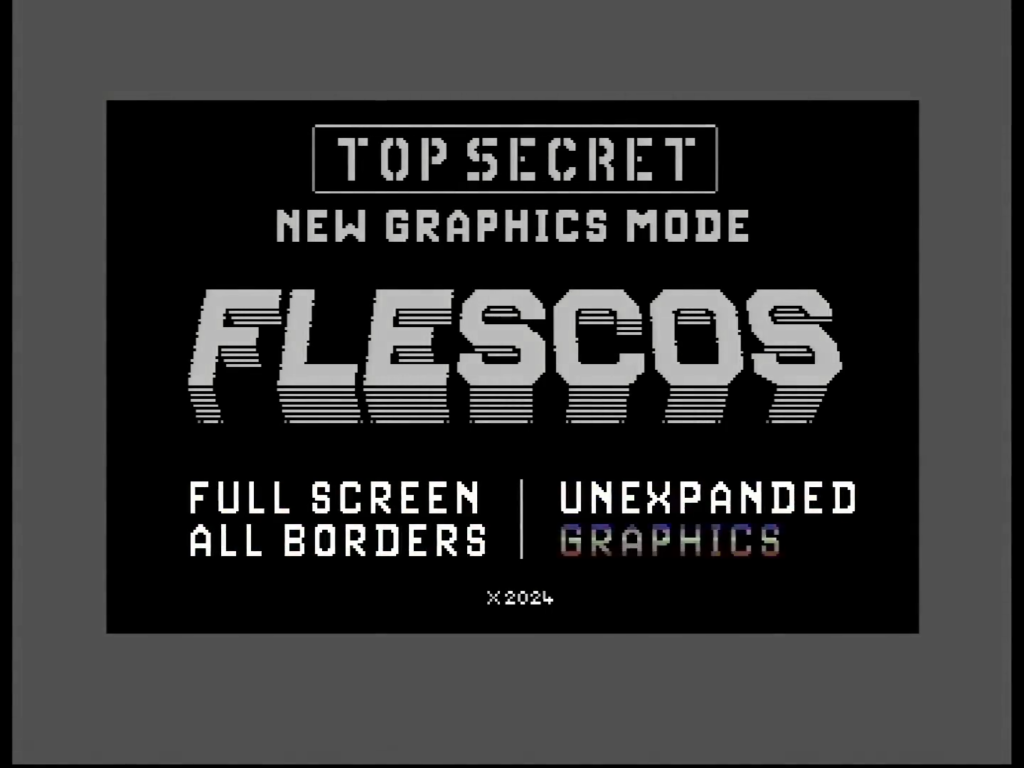
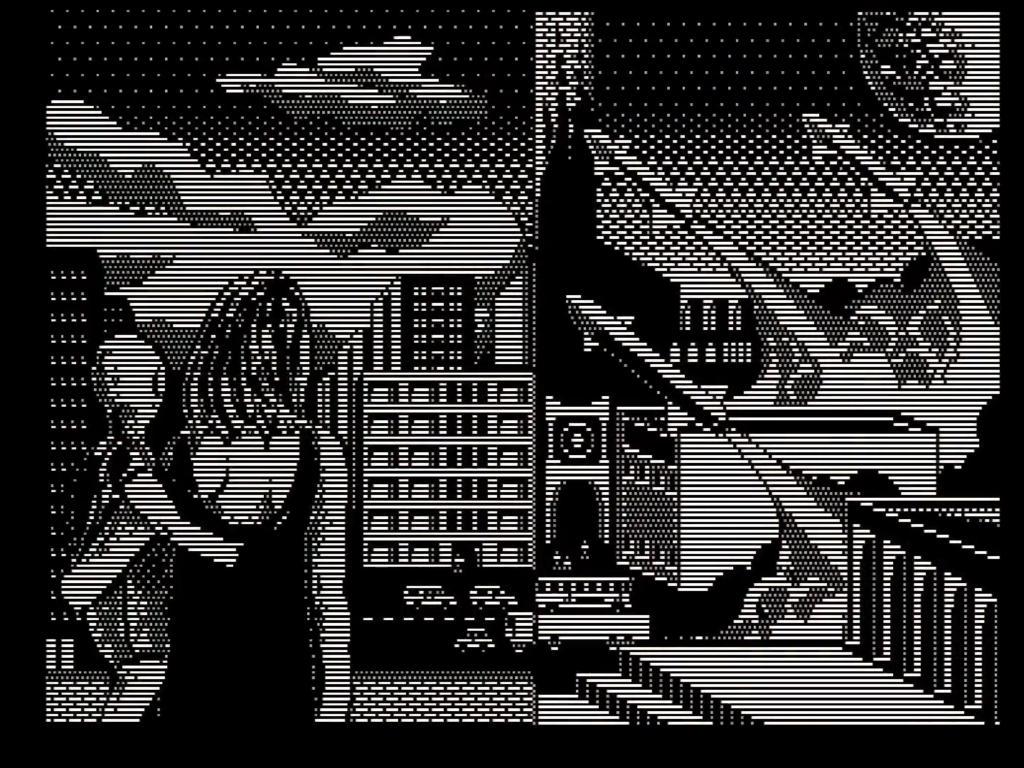
Evidently, this is not enough to stop the AI! A prototype video mode designed by Flesco takes the stage, 1-bit colour (on and off) gives way to allowing for detail right to the maximum edges of the C64’s video signal.
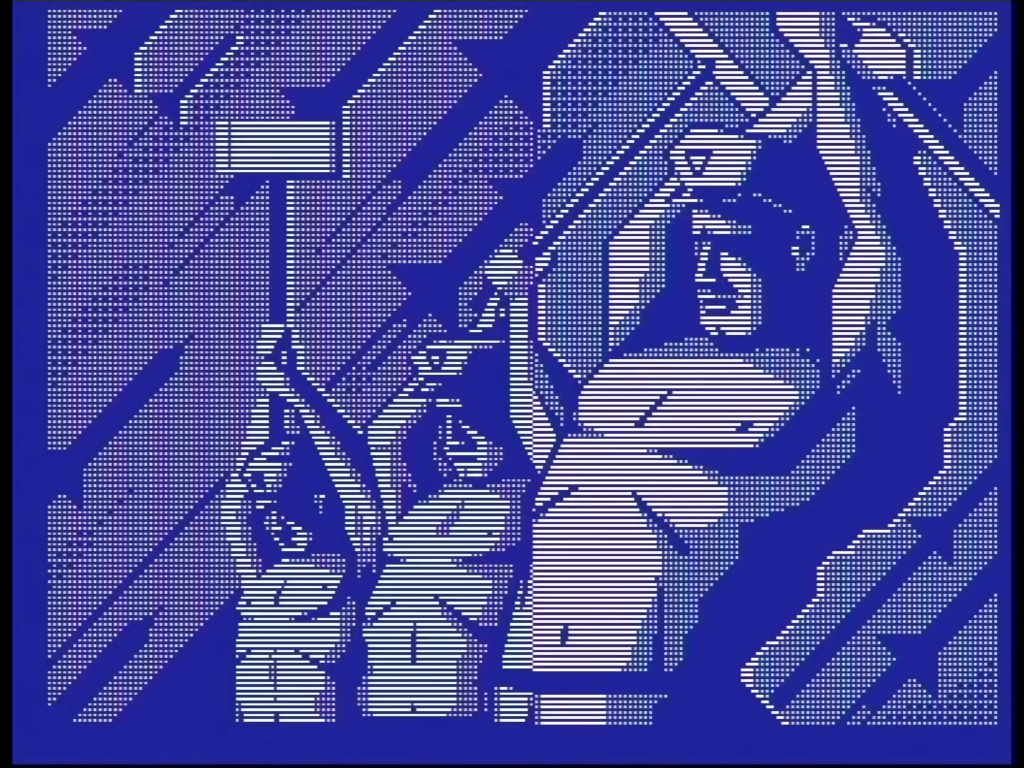
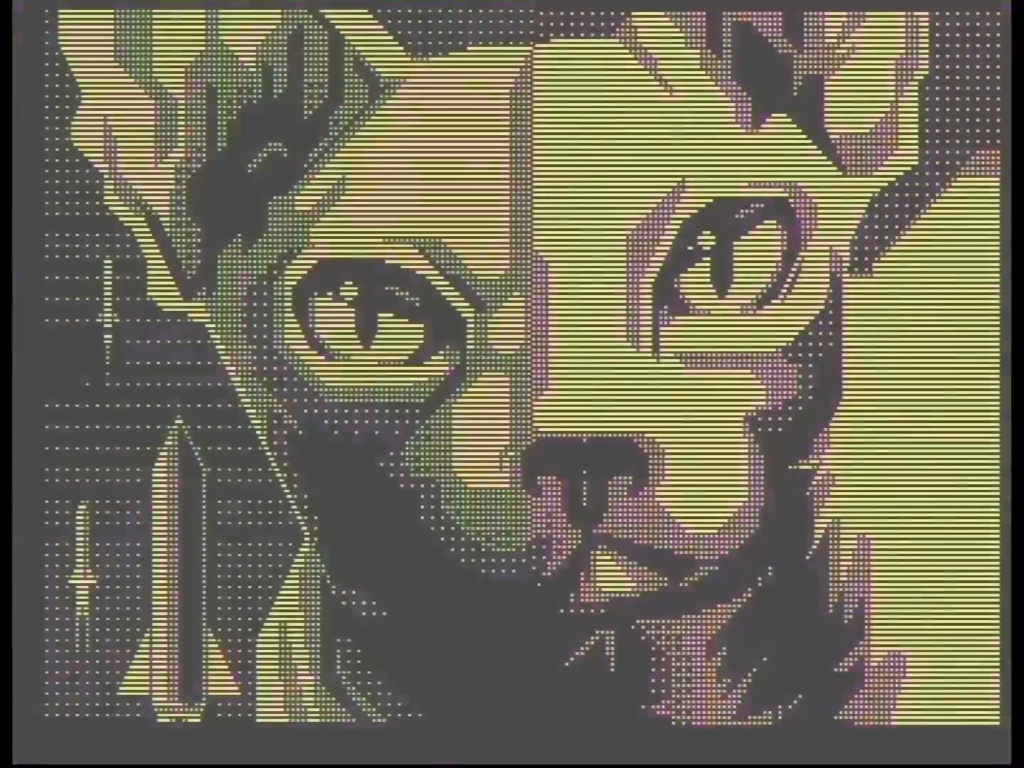
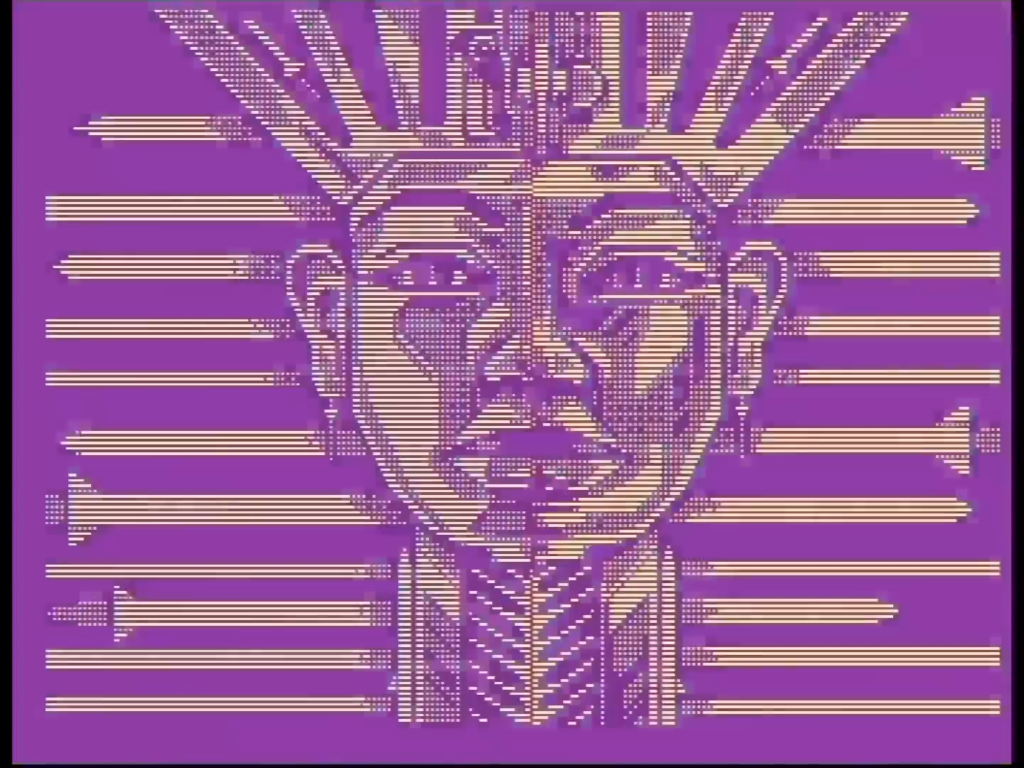
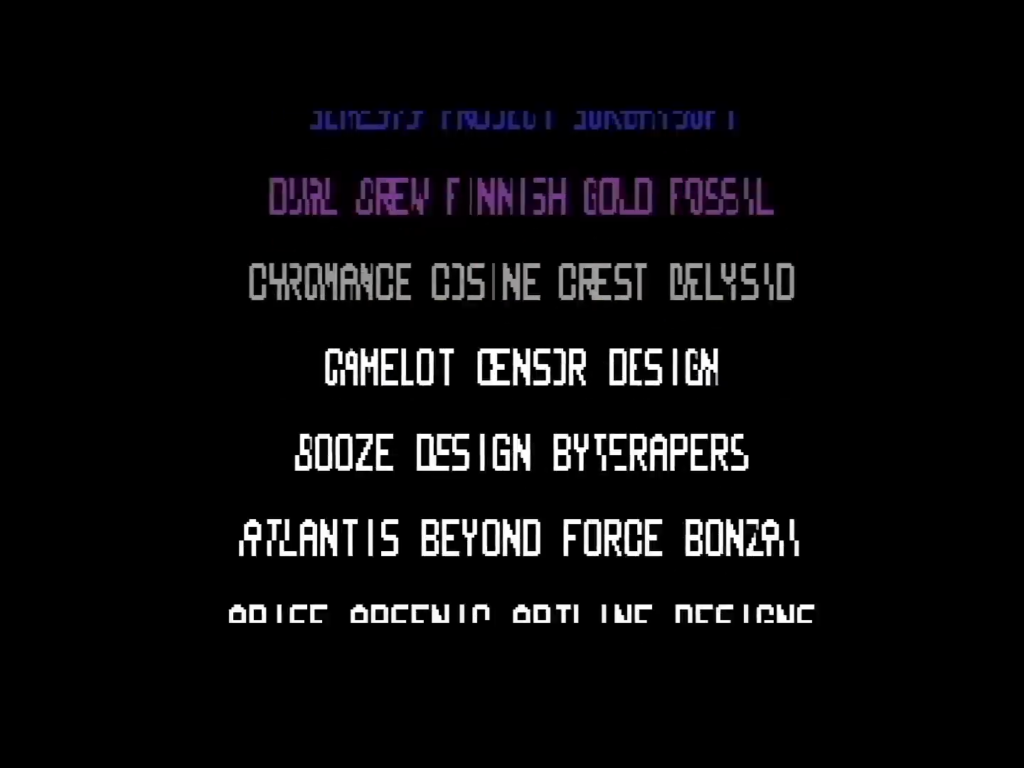
A great quality of great communities? Acknowledgements! The program pays tribute to some other scene talent-
-nevermind that, back to the video displays!
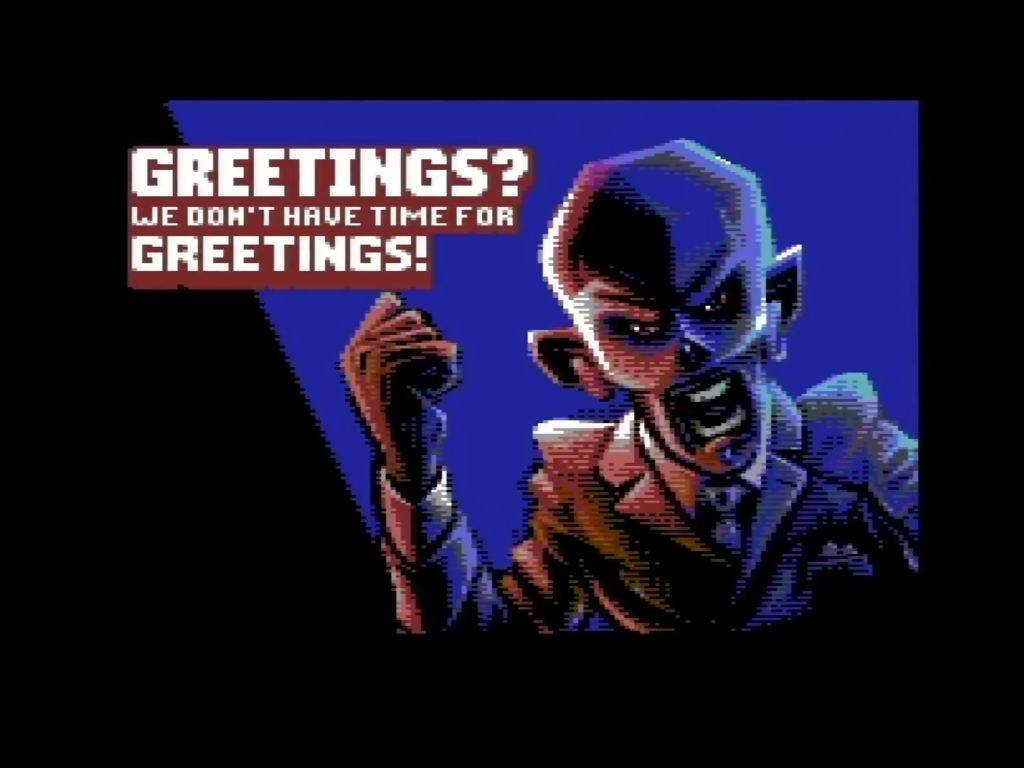
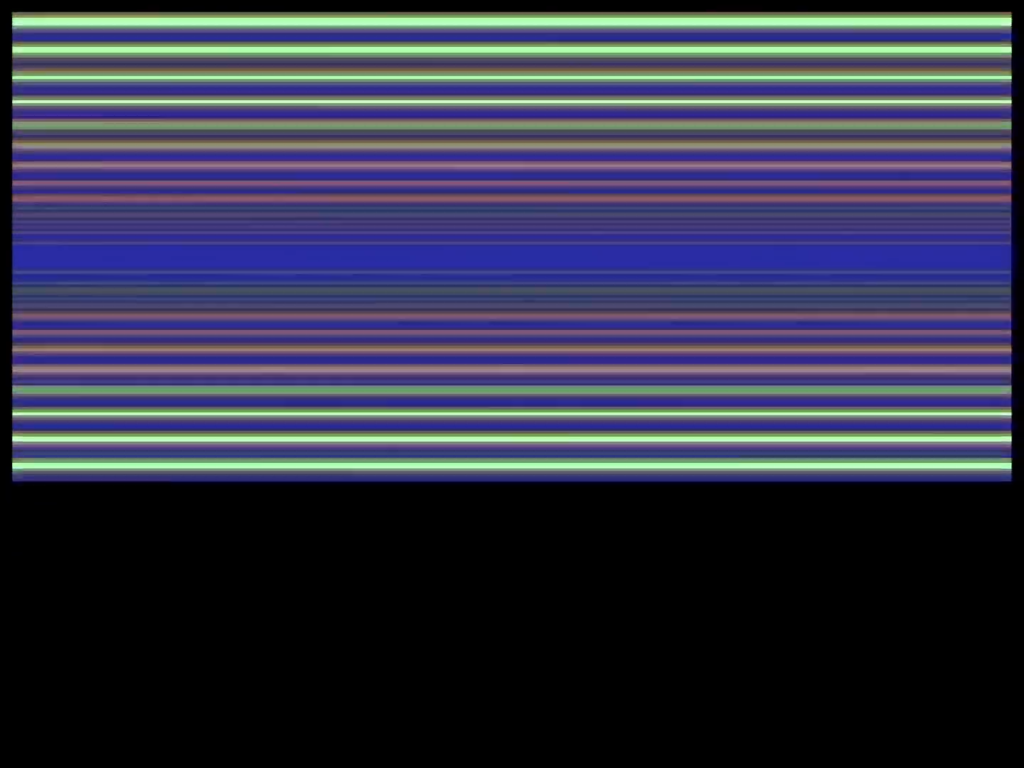
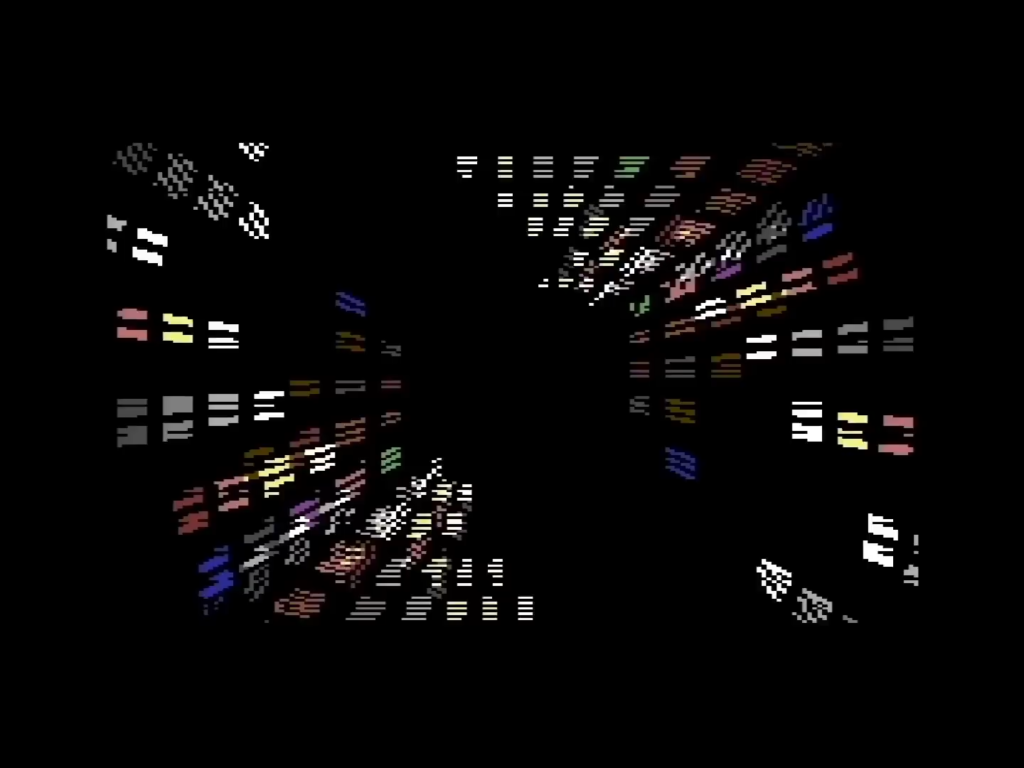
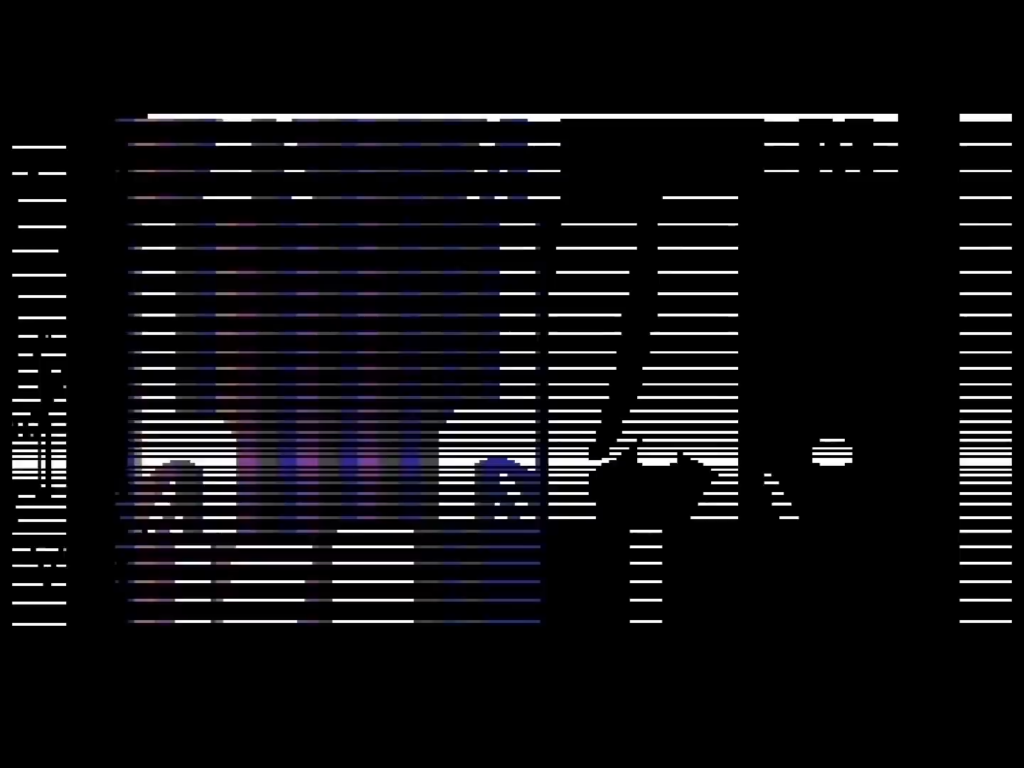
Nearly all hope is lost and evidently we’re near the end. The timer is almost up, we’re almost at the zero hour. There’s one final trick to try, and the conclusion of this tech demo unveils a challenging feat. Text doesn’t do this bit justice so again, I highly encourage watching the full demo posted above.
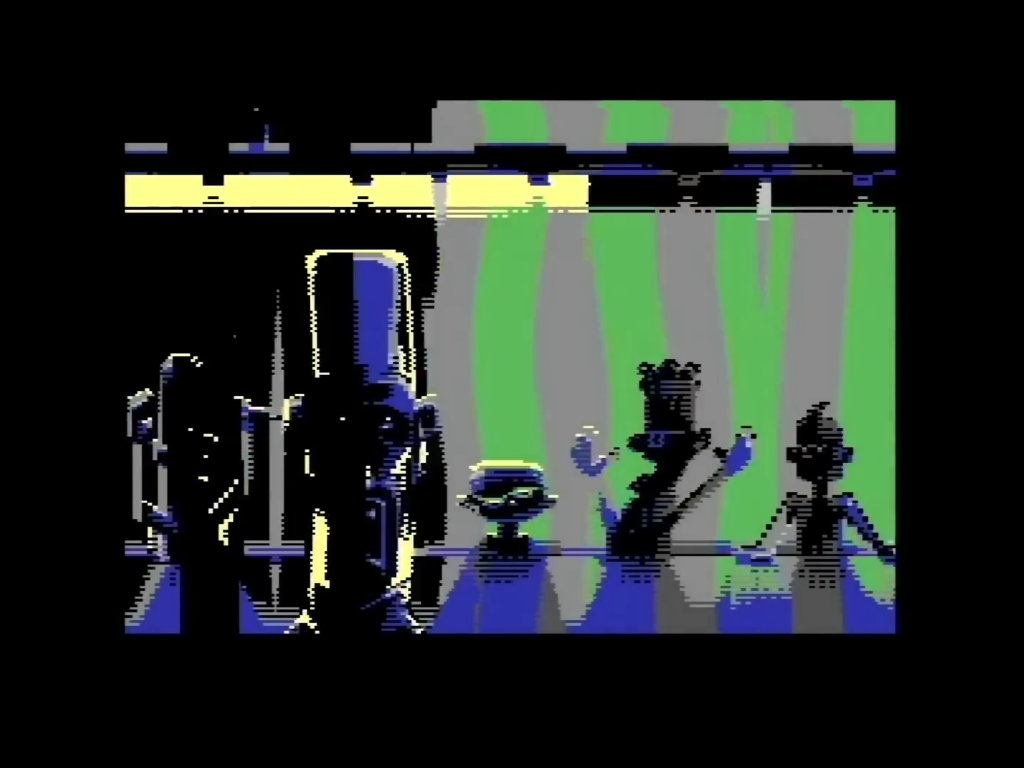
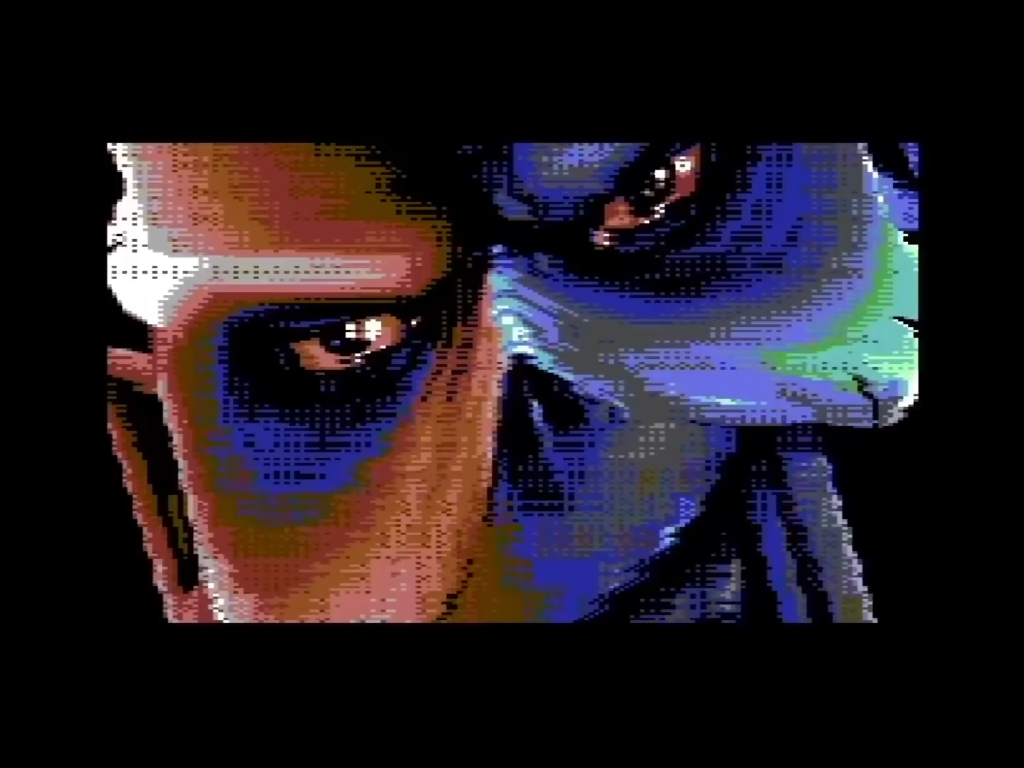
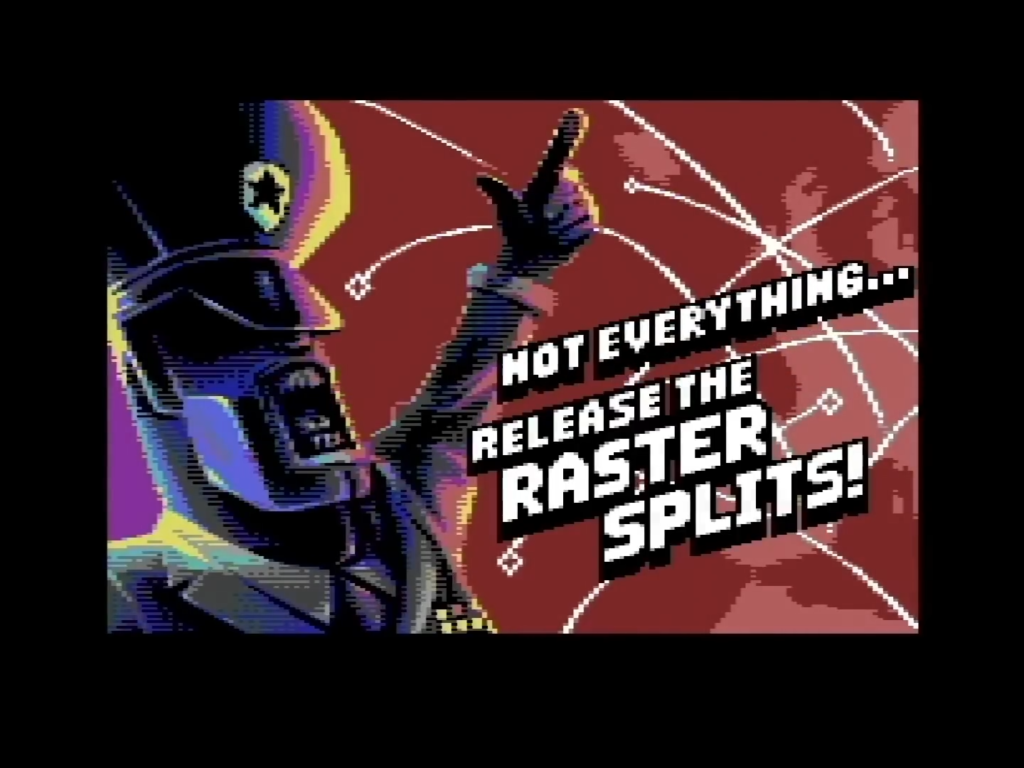
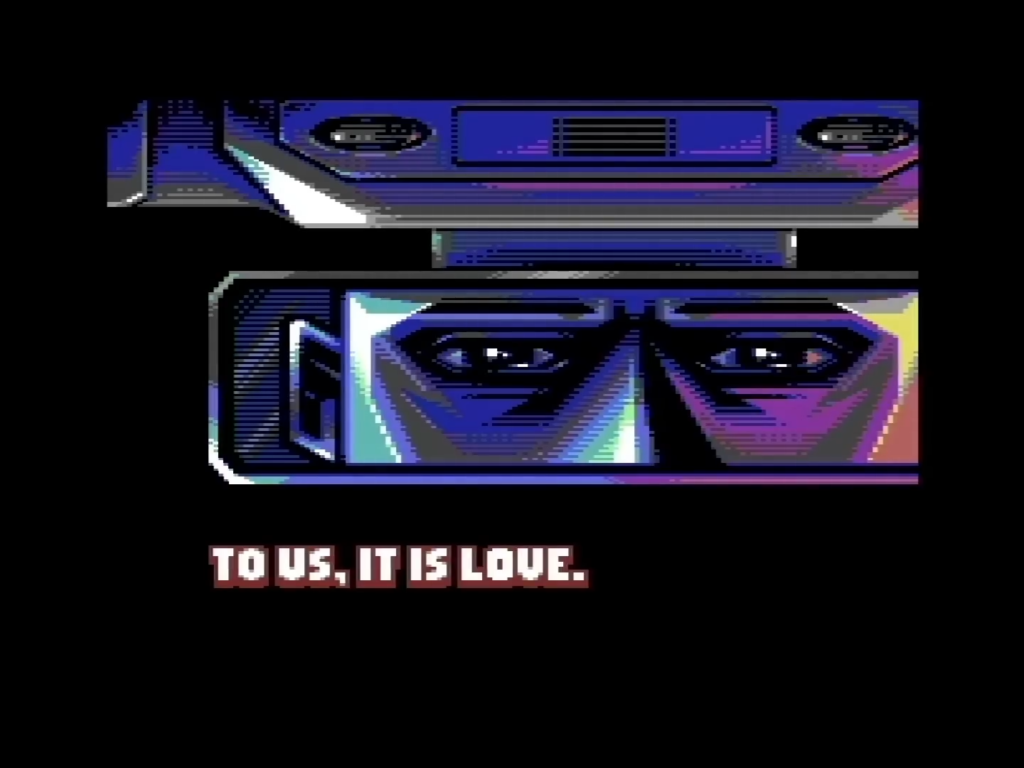
We conclude this story with a message, from people to people. We’ve been taken through this technological journey that ultimately showcases the biggest power we might have. Creativity. The drive and desire to build and sculpt these amazing feats because we’re curious, competitive, passionate, but an ability to think beyond established boundaries and have these emotional connections to the things we make, because the value is in the processes and products of creation.
Will the controversial attempts to integrate more and more neural-network and AI based solutions into our technology, and arts ever capture the true values and qualities of handmade work?
There’s something magical about seeing this in a live feed as well, here’s footage from the actual in-person demo showcase, I find it endearing to see the enthusiasm and response to each “wave” of the demo.
Demoscenes have always worked as a celebration of the technology we have discovered and created, and a rallying effort to push further into exploring just what we can do. 13:37. I found this one extremely impressive, and a fascination to see that years and years onward, a community is still thriving to attempt new feats and directions with what is considered the old or obselete. Truly a work of art to share.
The full standalone program is uploaded here for anybody that wants to run it on an emulator or physical machine.
Leave a Reply