This third write-up covers a new franchise I discovered while investigating 5th generation platformers as my research for GLOO.
Though mainline intended as a continuation to my uni journal, this one also starts to tie into my (to be) ongoing research for GLOO, a project inspired by this era of 3D platformers. I’ll likely come back to this and the sequel Deep Cover Gecko in a future dive comparing it with other platformers on an analytical gameplay review, so this post will detail more of the meta elements.
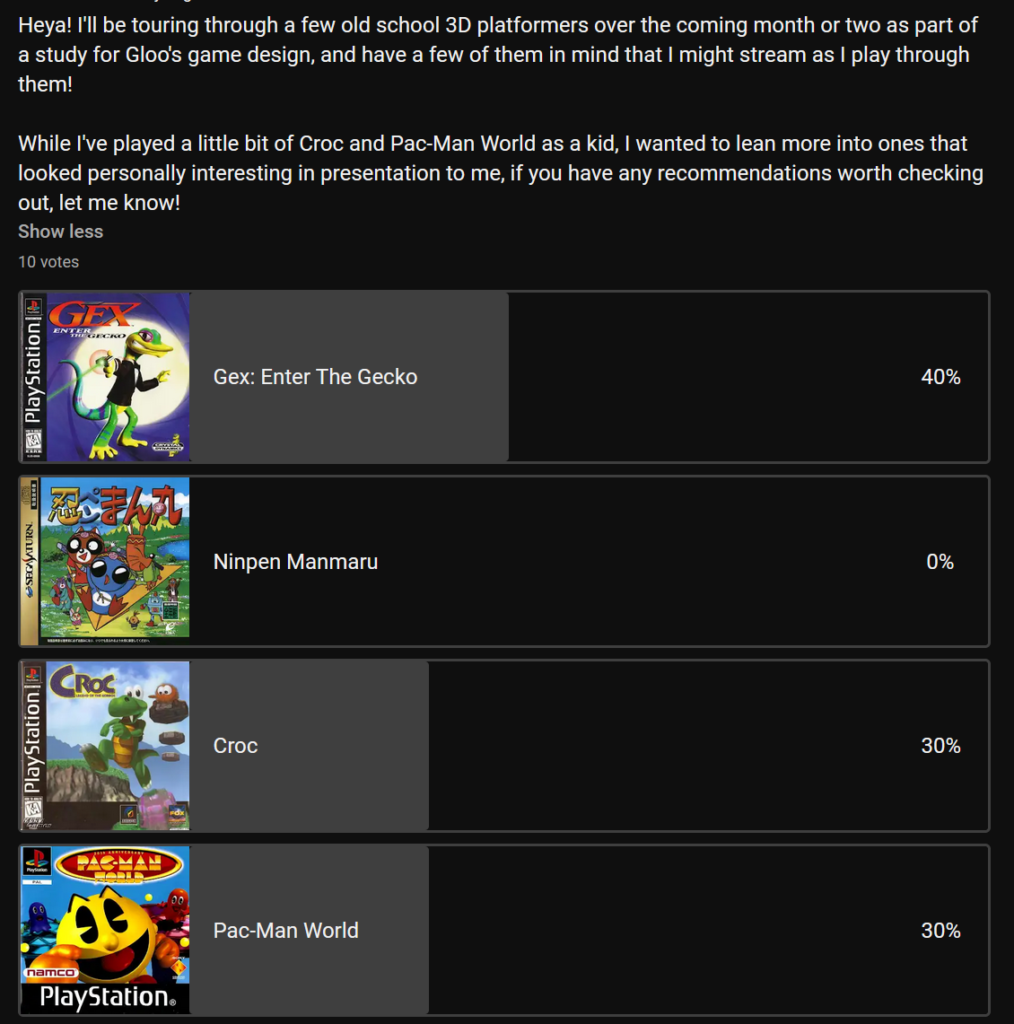
Croc and Pac-Man World make up a faint memory of collectathons that I played at 3-5, but the Gex series is all-new to me, centered on a bizarre-o journey, a gecko in solitude post the death of his father, so entranced with television as an escape from reality that it literally sucks him into the media dimension.
(The full backstory in the first game’s manual, here on Internet Archive)
That summary rounds off the first game, but I wanted to share the one I’ve been playing, the second. Enter The Gecko debuts a shift to 3D, with a camera system that can either accompany the player in an “automated” mode or be manually rotated as Gex navigates the world.
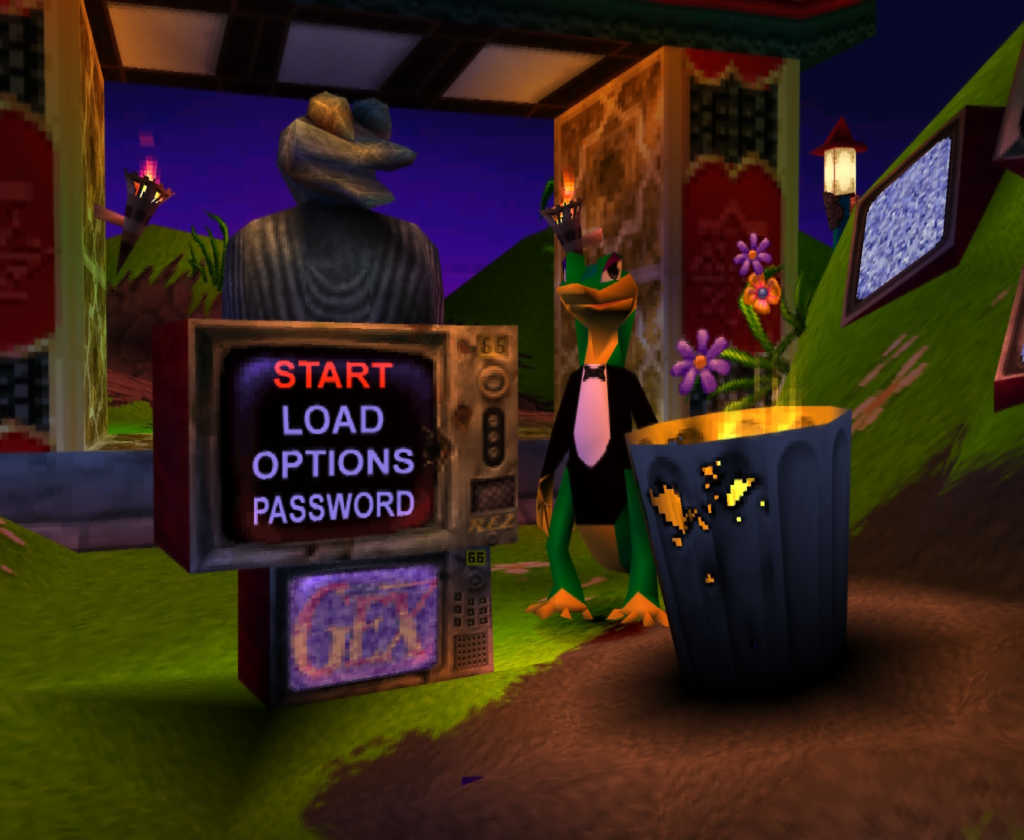
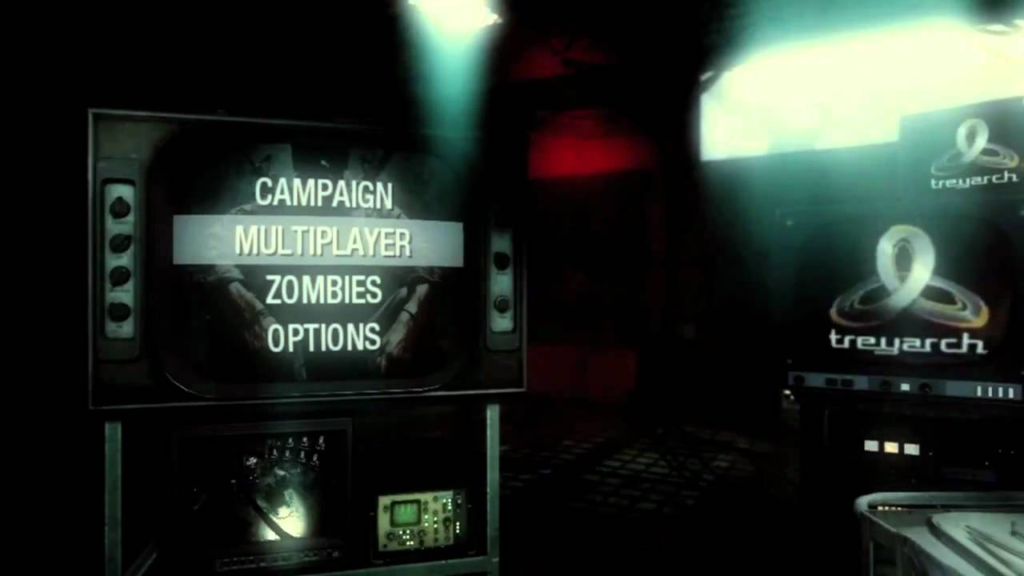
We start out with a pretty fancy title screen. I was amused by being ever so slightly reminded of a certain title from twelve years later, almost an ironic nod forward that future games drew from, where Gex itself is a nod back to world media.
The core gimmick of the series involves a constant shuffle of pop-culture references, each world themed around specific elements with Gex himself spouting thematic one-liners, wearing costume and encountering hazards, collectibles and enemies with thematic designs.
This extends to levels adopting design nods to popular media too.
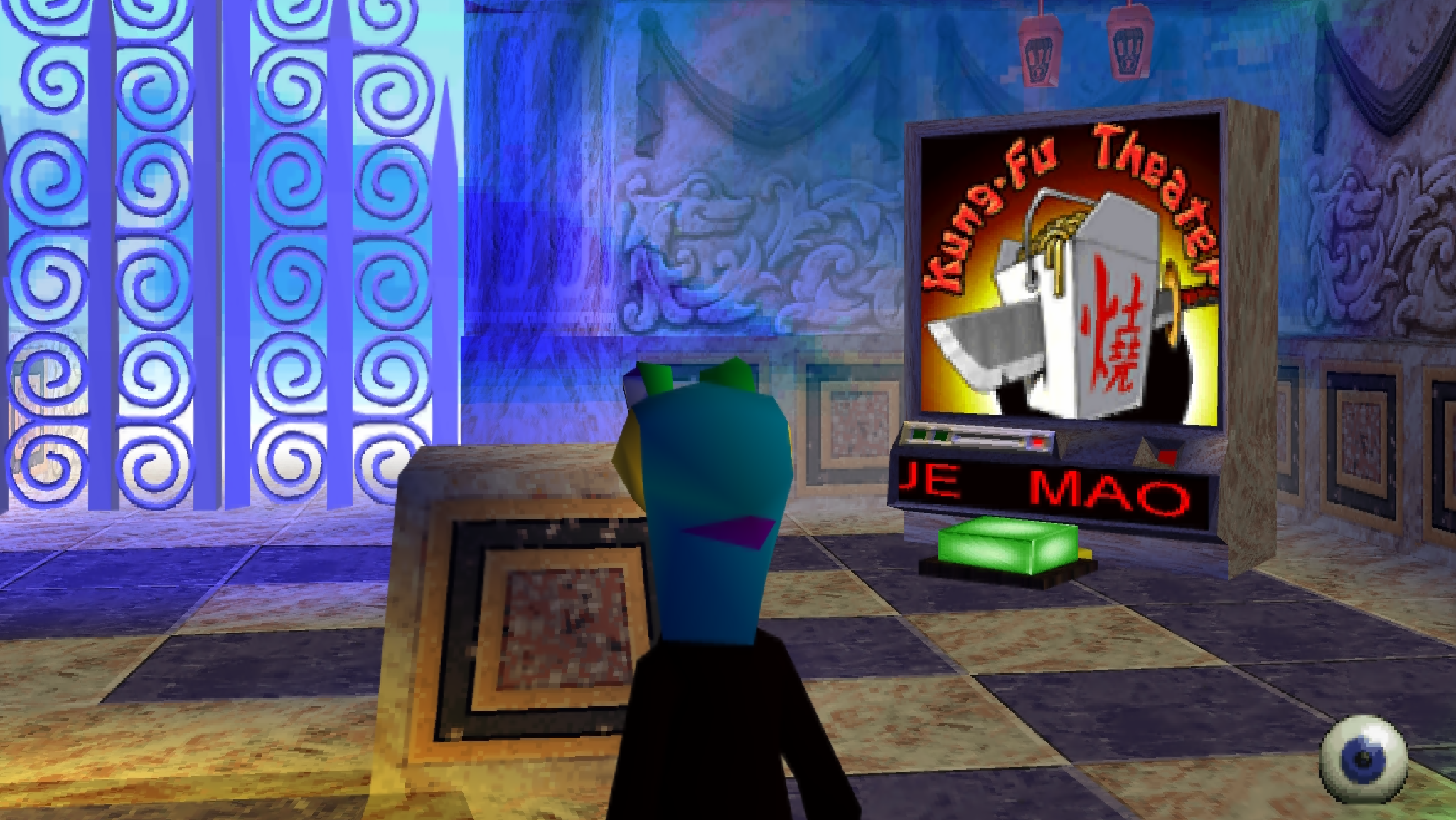
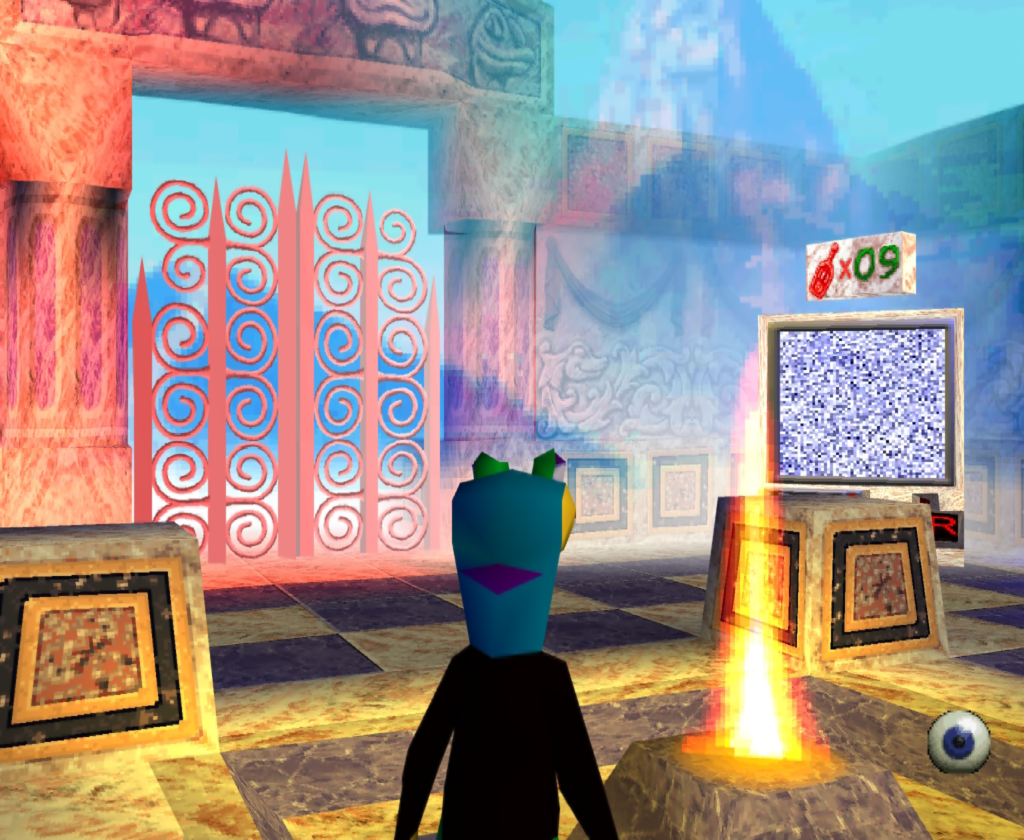
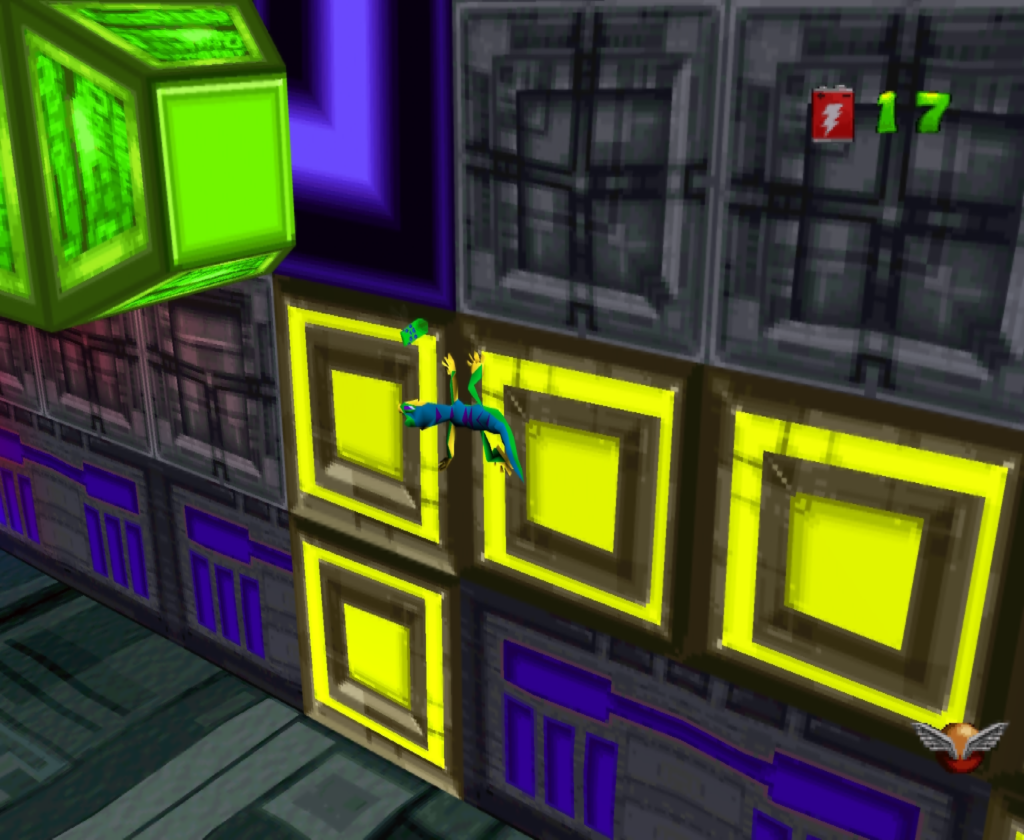
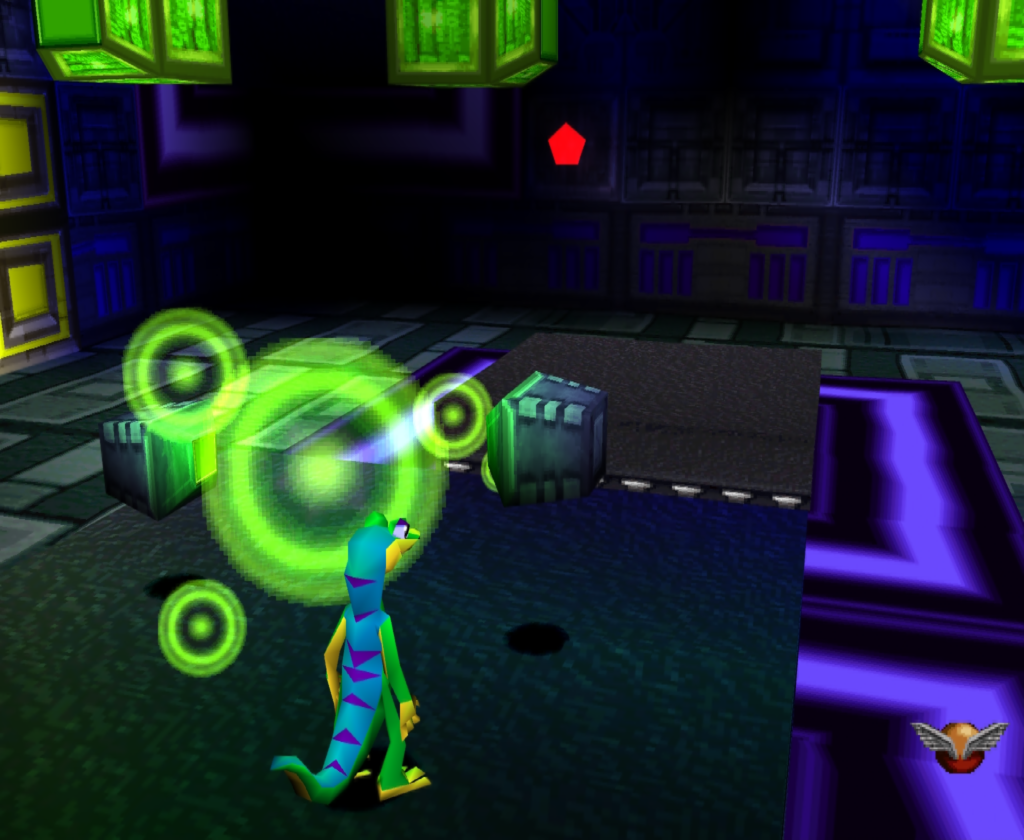
Between the hardware constraints and low-poly presentation from the time, several of the worlds have a rather striking, abstract look to them.
This particular one here includes a myriad of spoken callouts to Tron, Star Trek and I even heard a Bill Gates name drop when spawning into the level, though the actual visual identity of this level to me is pretty unique, and I can’t directly think of a world or programme I could immediately pin it to.
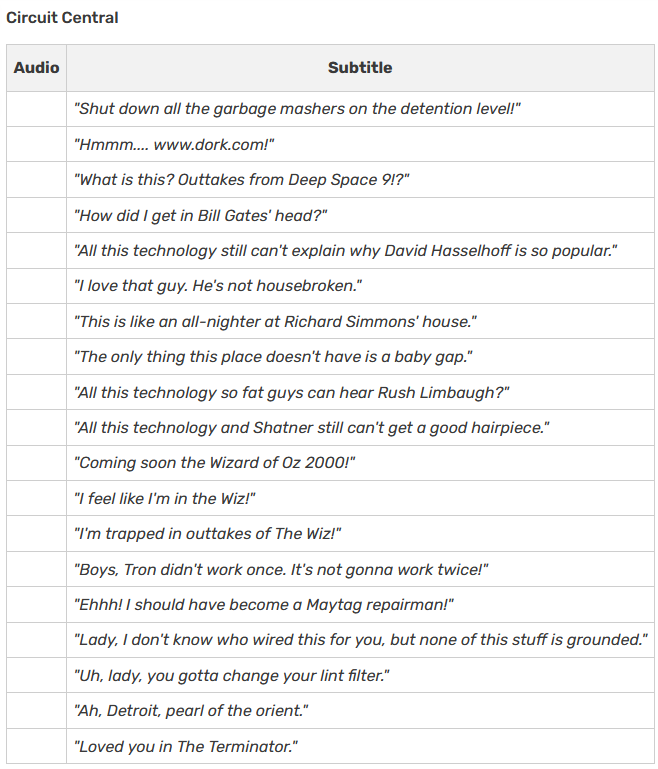
Here are some of the quotes that can be heard when playing in this stage, snapped from a fan wiki of the games.
A neat element of Enter The Gecko and its sequel tie into his quips. They’re region-specific, and each region between North American, European and Japanese versions of the games each have a different voice dub with region specific references.
The PAL releases have a rather secret-agent-esque voice in this game by Leslie Philips, while the sequel changes this out for Danny John Jules, who I recognized on listen from growing up a fan of UK sci-fi series Red Dwarf.
All versions of the first game, and successive NTSC releases are voiced by Dana Gould, who would write for The Simpsons for a couple of seasons. He co-wrote many of the jokes for his voice dub, and you can definitely hear a talent in his voice that I feel is a great match for Gex’s miming and parodical personality as he belts out different impressions and voice tonalities.
I think his Austin Powers based lines are some of my favorite, you can hear some in this video around 3:05 and 19:42, interspersed with a voice timbre that reminds me of characters like Homer Simpson or Patrick Star.
The idea of an “adaptive” character personality for different audiences is neat, when so many references are specific to moments from TV or media that might be more familiar to specific regions.
Putting aside the work and file size it would take, I wonder if any games have ever had a protagonist or character with lines that are present for all players, but accommodates the audience’s real-time location – moving around geographically would dynamically update the content you see or hear.
The progression system immediately caught my attention as the flow to complete each level works around multiple objectives – in addition to collecting items you will often have one or more specific challenges available that each reward a TV remote necessary to progress further into other levels.
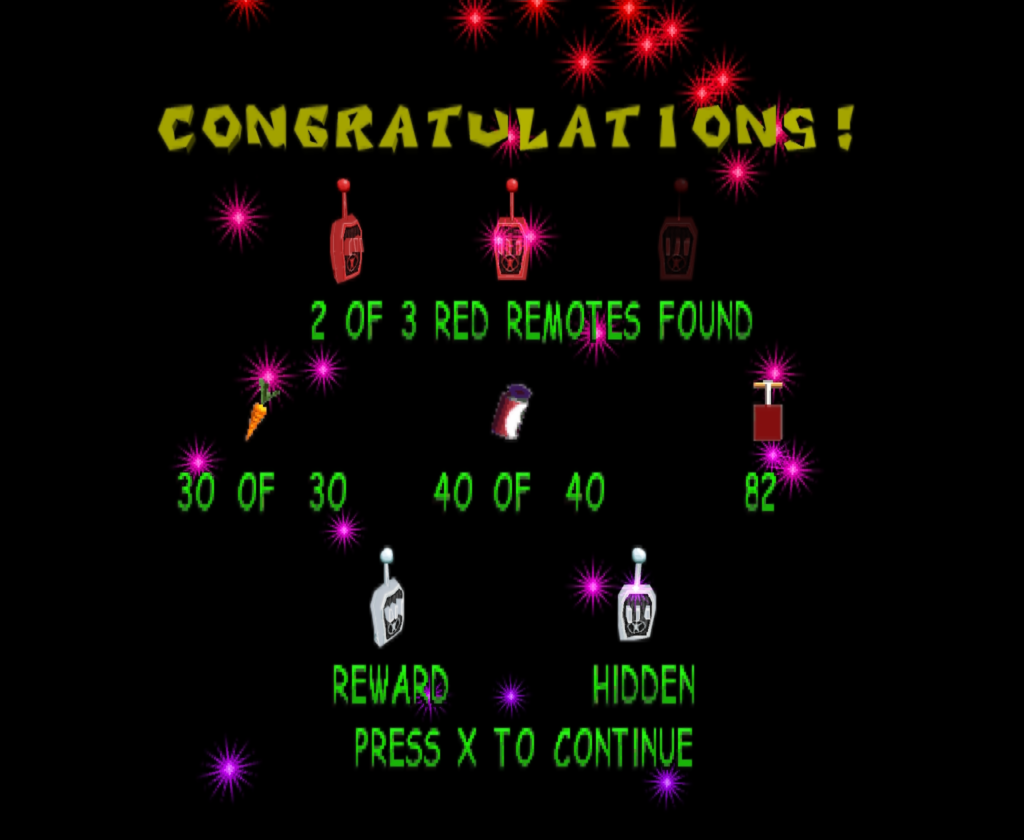

Different objectives each yield a remote, which act as the overall currency to unlock future stages. Collecting one immediately transports you back to the hub dimension – so you’ll have to come back for the next one.
What could have been a neat way to expand on this would be to alter future playthroughs according to progression – so that completing specific objectives will mix things up a little on your next revisit.
Levels are the same when you revisit them, as are the direct references Gex can pull out.There’s also no system in place preventing you from hearing the same quote multiple times – I never heard any specific lines twice in a row, but I did hear them twice in one minute a few times.
Perhaps one of the greatest things holding this game back from a timeless feeling is how cemented certain elements are for their historical context, both the game itself and the media inspirations it draws from.
This can be a double-edged sword, I actually enjoyed looking into some of the quips and discovering new media that I have added to my shortlist for future viewing, and it’s a great way for the developers to imbue their personal tastes and favourite media on their sleeve.
Some references are written in a way that completely misses value if one doesn’t get the joke, mostly this happened with jokes referencing real celebrities. I heard a good jab here though when I let the menu hang for a bit.
Gex is full of personality in a neat, spongy way that I’ve never run into before with any of the other “mascot characters” of this era. References are definitely common in media, a more self-aware and perhaps “lower-level” parallel to something like incorporation of motifs throughout one’s career in creative arts.
It’s certainly distinct and in-your-face, a signature brand of the character (despite the angle of it being constant points to other media by other authors) that stands out among his colleagues and competitors.
I’m looking forward to investigating the gameplay aspects further on this one, comparing elements like player control between peer products of the time. Personality is more of a highlight than gameplay for this one, and both play an equal role in the memorability of a game – a lack of balance being where things start to work out of favour. Give it a whirl if you have a console or emulator handy, it’s one well worth experiencing!
Leave a Reply